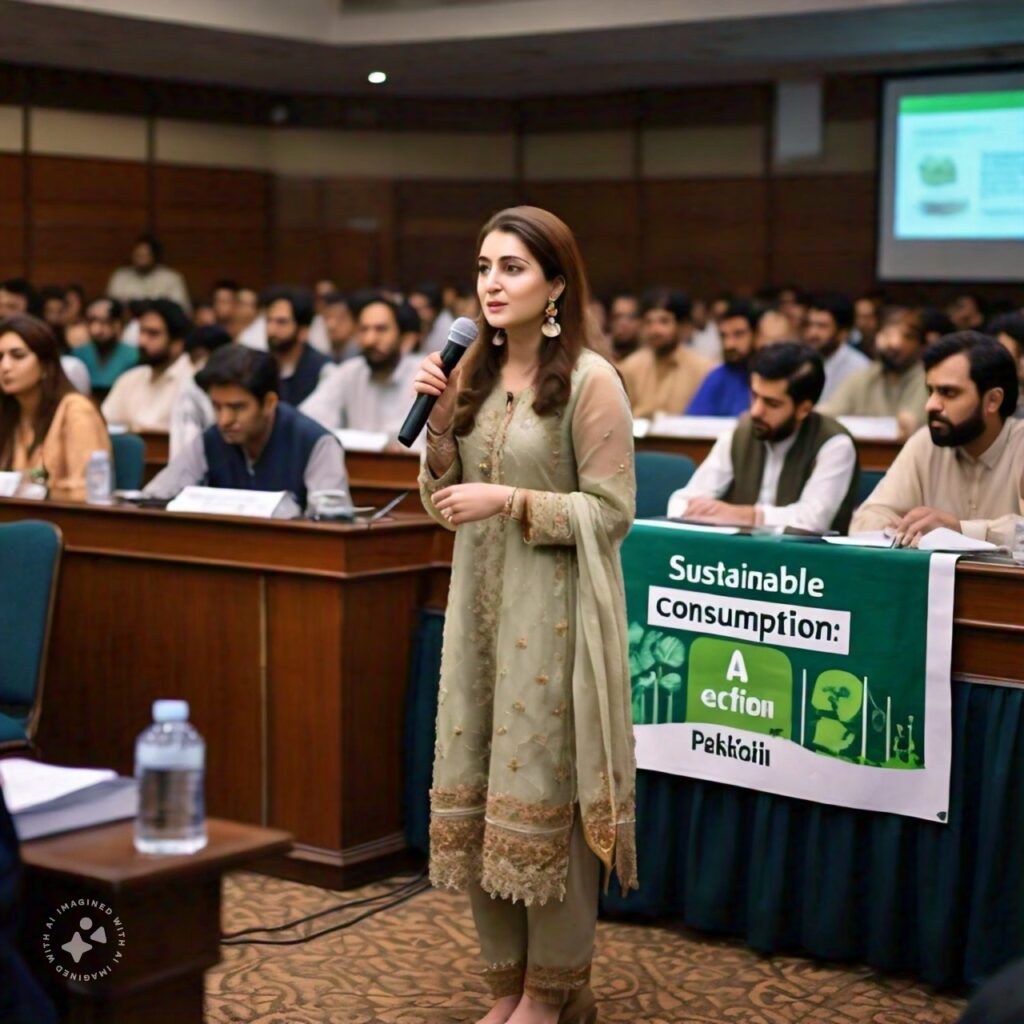
As the world grapples with the challenges of climate change, environmental degradation, and social inequality, the need for sustainable consumption has become more pressing than ever. Pakistan, with its rapidly growing population and economy, is no exception. In this blog, we will explore the importance of promoting sustainable consumption in Pakistan, the challenges that lie ahead, and the opportunities for change.
The State of Consumption in Pakistan
Pakistan is one of the fastest-growing economies in South Asia, with a population projected to reach 300 million by 2050. This growth has led to an increase in consumption patterns, with a growing middle class driving demand for goods and services. However, this growth has come at a cost. Pakistan’s consumption patterns are largely unsustainable, with a focus on fast-paced, disposable, and resource-intensive goods.
The Impact of Unsustainable Consumption
The impact of unsustainable consumption in Pakistan is multifaceted:
- Environmental Degradation: The country’s natural resources are being depleted at an alarming rate, with deforestation, water pollution, and soil degradation all on the rise.
- Social Inequality: The focus on fast-paced consumption has led to a widening income gap, with the rich getting richer and the poor getting poorer.
- Climate Change: Pakistan is one of the most vulnerable countries to climate change, with rising temperatures, changing precipitation patterns, and increased frequency of natural disasters.
Promoting Sustainable Consumption in Pakistan
So, what can be done to promote sustainable consumption in Pakistan? Here are some strategies that can make a difference:
1. Education and Awareness
Education and awareness are key to promoting sustainable consumption. Campaigns and initiatives that educate consumers about the impact of their choices can inspire change.
2. Sustainable Product Options
Providing sustainable product options is crucial. Companies can offer eco-friendly alternatives to traditional products, and consumers can choose products with minimal packaging and sustainable supply chains.

3. Circular Economy
Pakistan can adopt a circular economy approach, where products are designed to be recycled, reused, or biodegradable. This can reduce waste and promote sustainable consumption.
4. Government Policies and Regulations
Government policies and regulations can play a crucial role in promoting sustainable consumption. Tax incentives for sustainable products, bans on single-use plastics, and extended producer responsibility can all make a difference.
5. Community Engagement
Community engagement is vital. Initiatives that involve local communities in sustainable consumption efforts can inspire collective action and promote behavior change.
Challenges and Opportunities
While there are many challenges to promoting sustainable consumption in Pakistan, there are also opportunities for change:
- Growing Middle Class: Pakistan’s growing middle class presents an opportunity for companies to offer sustainable products and services that meet the demands of this growing market.
- Technological Innovation: Technological innovation can provide sustainable solutions to consumption challenges, such as e-commerce platforms that promote sustainable products and digital payment systems that reduce waste.
- Government Commitment: The government’s commitment to sustainable development and climate change mitigation presents an opportunity for policy changes that promote sustainable consumption.

Conclusion
Promoting sustainable consumption in Pakistan requires a collective effort from government, businesses, and individuals. By adopting sustainable consumption patterns, Pakistan can reduce its environmental impact, promote social equality, and contribute to a more sustainable future. Let us work together to create a better future for Pakistan and for generations to come.