
Introduction
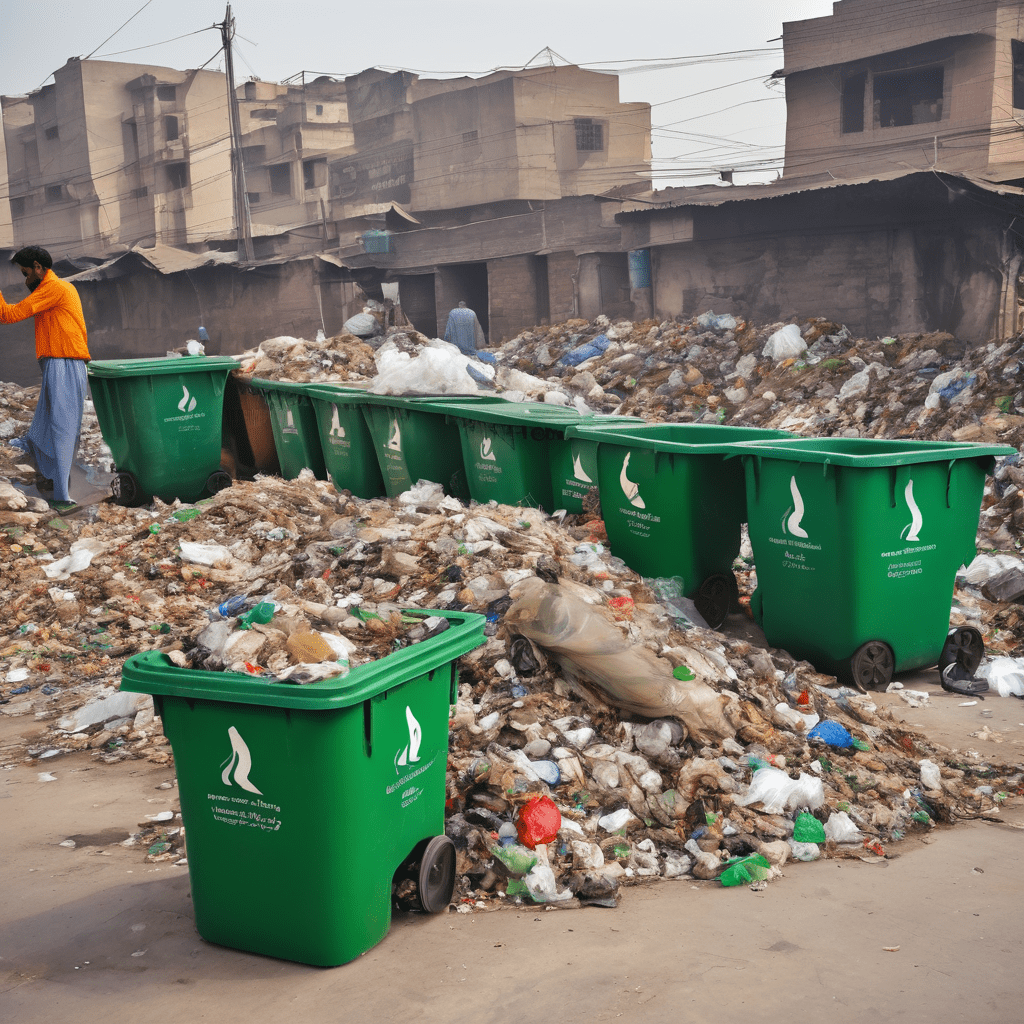
Pakistan, a country with a population of over 220 million people, is facing a significant challenge in managing its waste, particularly in urban areas. The rapid urbanization and lack of effective waste management systems have led to environmental pollution, health hazards, and economic losses. However, in recent years, various initiatives have been taken by the government, private sector, and civil society to address this issue. This blog will explore the waste management initiatives in urban Pakistan and their impact on creating a sustainable future.
The Problem of Waste Management in Urban Pakistan
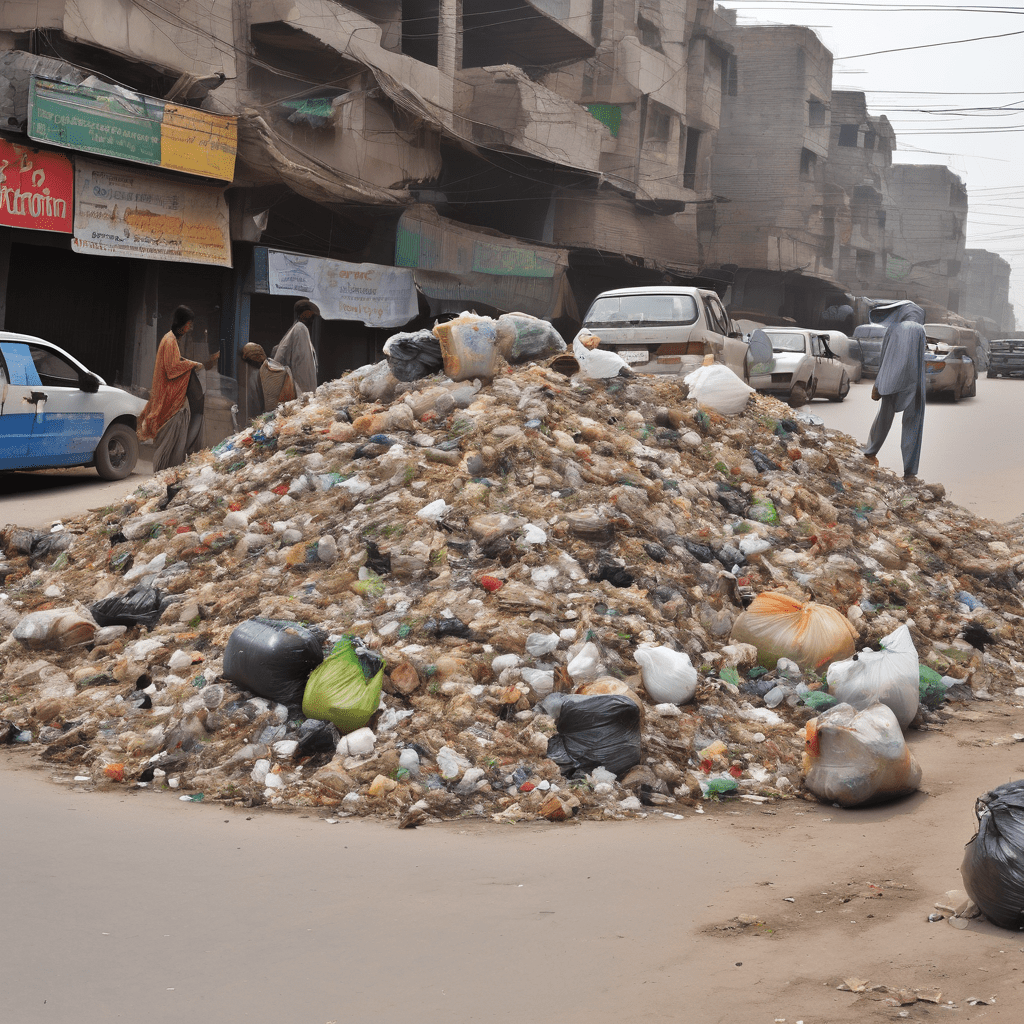
Urban Pakistan generates a massive amount of waste, with estimates suggesting that the country produces over 40,000 tons of solid waste daily. The majority of this waste is disposed of in an uncontrolled manner, leading to:
- Environmental pollution: Littering, open burning, and dumping in water bodies harm the environment and wildlife.
- Health hazards: Exposure to toxic waste causes diseases, and the proliferation of disease-carrying insects and rodents.
- Economic losses: Poor waste management affects tourism, agriculture, and other industries.
Government Initiatives
The government of Pakistan has taken several steps to address the waste management issue:
- National Solid Waste Management Policy (2016): A comprehensive policy framework for waste management.
- Clean Green Pakistan Movement (2019): A nationwide campaign to promote cleanliness and sanitation.
- Waste Management Ordinance (2020): A legislation to regulate waste management practices.

Private Sector Initiatives
The private sector has also played a crucial role in waste management:
- Waste collection services: Companies like Clean Pakistan, Waste Busters, and EnviroPakistan offer waste collection and disposal services.
- Recycling initiatives: Organizations like the Recycling Association of Pakistan promote recycling and waste reduction.
- Innovative solutions: Startups like SmartBin and WasteMate develop technology-based solutions for efficient waste management.

Civil Society Initiatives
Civil society organizations have been actively involved in raising awareness and promoting community-led initiatives:
- Awareness campaigns: Organizations like the Pakistan Environment Movement and the Green Pakistan Alliance educate citizens about waste management.
- Community-led initiatives: Local communities have established waste management systems, such as the “Clean Karachi” initiative.
Success Stories
Several success stories demonstrate the impact of waste management initiatives:
- Lahore Waste Management Company: A public-private partnership that has improved waste collection and disposal in Lahore.
- Karachi’s Waste-to-Energy Project: A project that converts waste into energy, reducing the city’s reliance on fossil fuels.
Challenges and Recommendations
Despite these initiatives, challenges persist:
- Lack of infrastructure: Inadequate waste collection and disposal facilities.
- Public awareness: Limited knowledge about proper waste management practices.
- Regulatory framework: Weak enforcement of waste management laws.
Recommendations:
- Increase public-private partnerships: Collaborate with the private sector to develop waste management infrastructure.
- Enhance public awareness: Educate citizens about proper waste management practices through campaigns and workshops.
- Strengthen regulatory framework: Enforce waste management laws and regulations effectively.
Conclusion
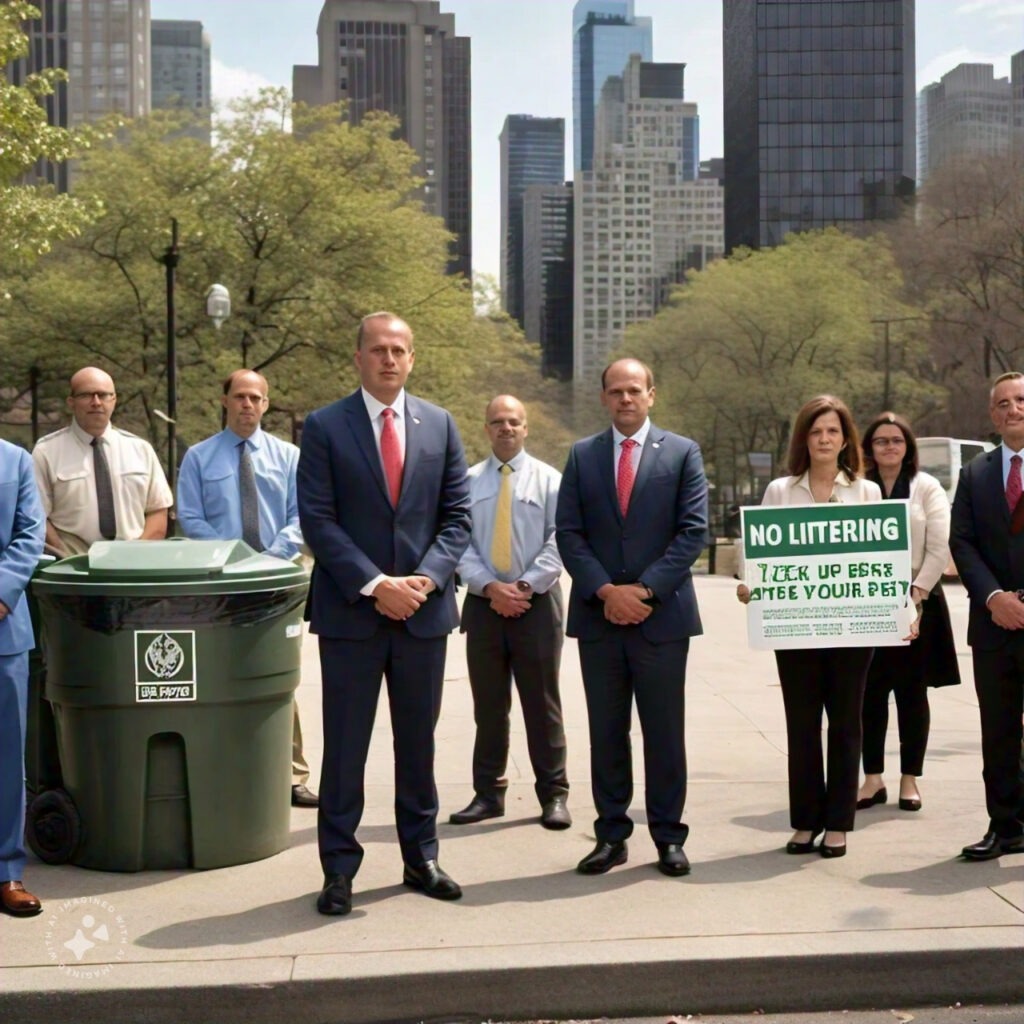
Waste management initiatives in urban Pakistan have shown promise, but more needs to be done to address the scale and complexity of the issue. A collaborative effort from the government, private sector, and civil society is essential to create a sustainable waste management system. By learning from success stories and addressing challenges, Pakistan can move towards a cleaner, healthier, and more sustainable future.
3 comments
X22les
August 2, 2024 at 10:57 am
Hey people!!!!!
Good mood and good luck to everyone!!!!!
Temporary Address
August 2, 2024 at 6:50 pm
Your work has captivated me just as much as it has captivated you. The visual display is elegant, and the written content is impressive. Nevertheless, you seem concerned about the possibility of delivering something that may be viewed as dubious. I agree that you’ll be able to address this issue promptly.
temp mail
August 12, 2024 at 2:11 pm
hiI like your writing so much share we be in contact more approximately your article on AOL I need a specialist in this area to resolve my problem Maybe that is you Looking ahead to see you