Green Manufacturing in Pakistan: Transitioning to a Circular Economy
Green Initiatives in Pakistani Manufacturing, Sustainability is becoming the cornerstone of global manufacturing, and Pakistani industries are increasingly adopting green initiatives to conserve resources. As the country moves toward a circular economy, manufacturers are rethinking traditional production to prioritize reusing and recycling materials over waste production,.
The Shift to Sustainable Production Processes
Manufacturers across Pakistan are implementing significant changes, such as adopting energy-efficient machinery and eco-friendly packaging to reduce pollution. By focusing on reducing their carbon footprint, these industries are contributing to a cleaner environment while finding ways to minimize waste.
The Rise of Renewable Energy in Factories
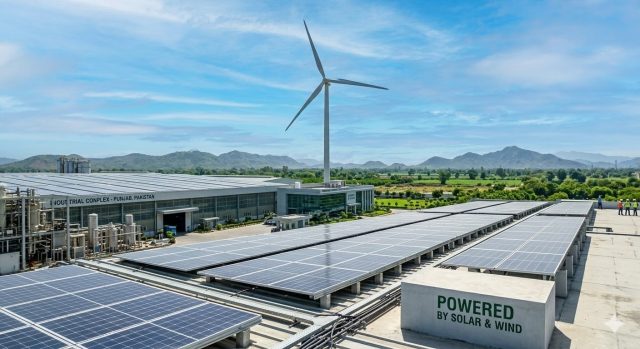
One of the most impactful shifts in the industrial sector is the move toward renewable energy sources. Factories are now utilizing the following technologies:
- Solar Power: Many manufacturers are installing solar panels to take advantage of Pakistan’s abundant sunlight, which reduces electricity costs and promotes clean energy.
- Wind Energy: In windy regions, factories are setting up wind turbines to ensure a reliable and continuous power supply, which minimizes the risk of industrial power shortages.
- Bioenergy: Bioenergy is also being used to power industrial plants and reduce reliance on fossil fuels.
Advanced Waste and Water Management
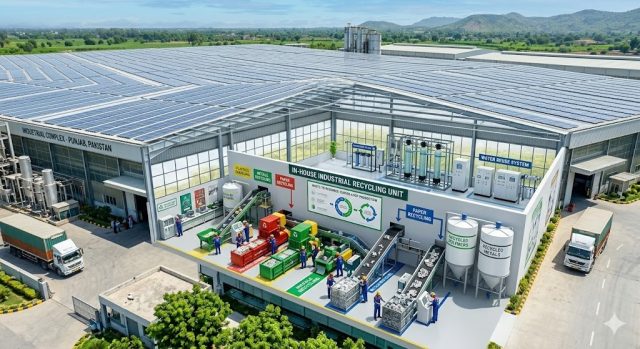
Proper waste management has become a cornerstone of Pakistan’s green manufacturing evolution.
- In-House Recycling: Companies are establishing specialized recycling units to process waste into reusable materials, preventing valuable resources from ending up in landfills.
- Reducing Plastic Waste: There is a growing shift toward biodegradable packaging materials, which appeals to environmentally conscious consumers.
- Water Conservation: Many industries have implemented water recycling systems that allow water used during production to be reused multiple times.
- Pollution Control: Factories are using advanced filtration systems to treat wastewater, removing harmful chemicals before it is released back into the environment.
Eco-Friendly Product Innovation
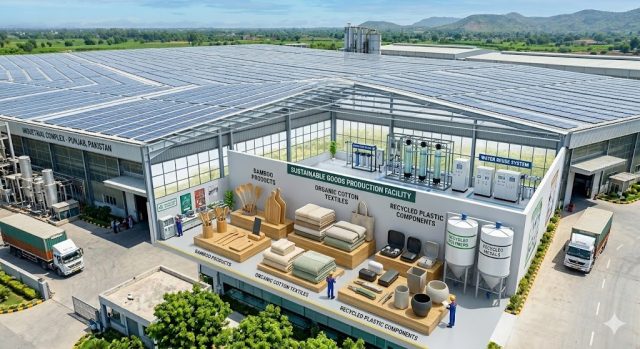
Beyond production changes, Pakistani manufacturers are innovating through eco-friendly product design. These Products are now being designed to last longer and are made from sustainable materials such as bamboo, recycled plastic, and organic cotton,. These innovations, including energy-efficient appliances and biodegradable products, allow companies to differentiate themselves in the global market.
Government Incentives and Regulations
The Pakistani government supports this transition through specific policies and standards.
- Tax Incentives: Manufacturers who invest in green technologies, such as solar panels or recycling systems, are often eligible for tax breaks and financial incentives.
- Environmental Standards: The government has introduced regulations to ensure compliance, and companies that fail to meet these standards may face fines or penalties.
Frequently Asked Questions
What is a circular economy? A circular economy focuses on a sustainable cycle of production by reusing, recycling, and reducing waste.
How does renewable energy benefit manufacturers? Renewable energy helps industries lower operational costs, reduce reliance on fossil fuels, and minimize environmental pollution.
What materials are used in eco-friendly product design? Common sustainable materials include bamboo, recycled plastic, and organic cotton, which have a lower environmental impact than traditional synthetic fibers.
How does industrial water recycling work? Factories install systems that treat and reuse production water, which saves resources and reduces the energy required to treat fresh water,.