Introduction
The pakistan middle class growth story is one of the most powerful indicators of the country’s economic direction. Over the decades, Pakistan’s middle class has played a central role in driving consumption, innovation, and stability. However, recent economic shifts have created both opportunities and challenges.
In this blog, we present a powerful analysis of Pakistan middle class growth, examining historical trends, current realities, and the future of Pakistan middle class growth.
For a broader understanding of economic dynamics, read our detailed guide on Pakistan’s Economic Renaissance: Navigating the Road to Revival.
What is the Middle Class in Pakistan?
The middle class in Pakistan is generally defined by income, lifestyle, education, and employment type. It mainly includes:
- Salaried professionals
- Small business owners
- Skilled workers
Research suggests that historically, Pakistan’s middle class made up around 35–40% of the population, though definitions vary.
This segment is crucial because it drives:
- Consumer spending
- Tax revenue
- Entrepreneurship
- Social mobility
Historical Overview of Pakistan Middle Class Growth
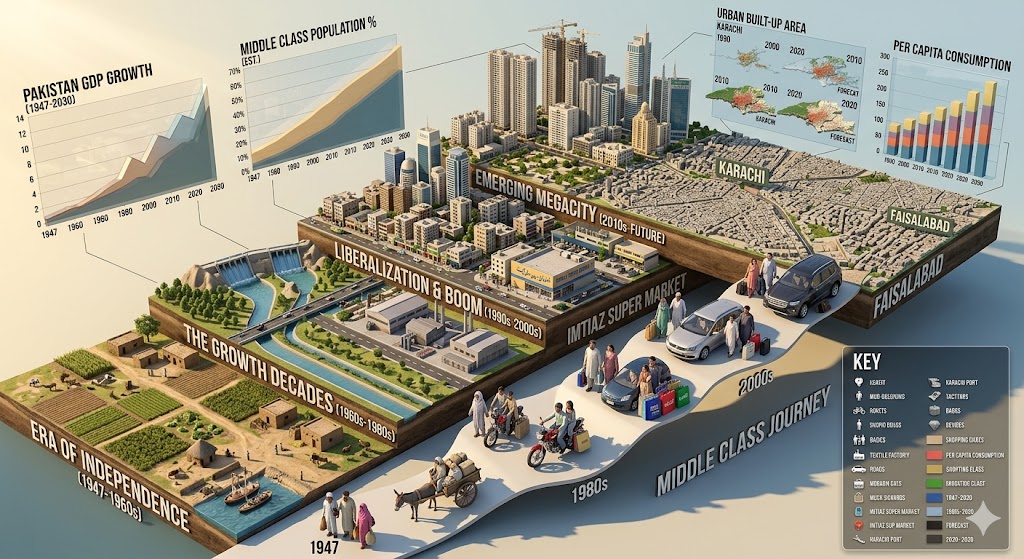
1. Rapid Growth Phase (1990s–2017)
Pakistan experienced significant middle-class expansion due to:
- Urbanization
- Industrial growth
- Expansion of the service sector
At one point, Pakistan had one of the largest middle-class shares in South Asia.
2. Consumption Boom Era
The rise in:
- Car ownership
- Private education
- Consumer goods
indicated strong pakistan middle class growth, supported by increasing demand for durable goods.
3. Recent Structural Changes
A major transformation is happening:
- Salaried jobs now make up nearly 60% of employment
- More households rely on stable income streams
This shift is reshaping middle-class identity and financial behavior.
Current State of Pakistan Middle Class Growth
Despite earlier expansion, the middle class is under pressure today.
Key Challenges
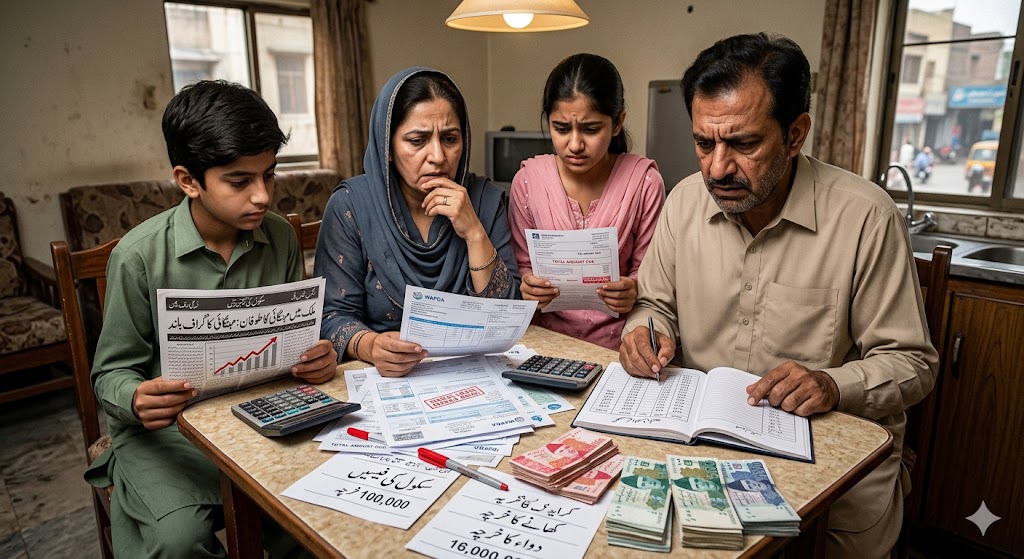
1. Rising Inflation
Pakistan experienced inflation spikes of up to 30% in recent years, severely affecting purchasing power.
2. Declining Real Wages
Real wages have fallen by about 20%, reducing financial stability.
3. Shrinking Middle-Class Share
Estimates suggest the middle class may now be only 15–20% of the population.
Positive Signs of Pakistan Middle Class Growth
It’s not all negative. Several indicators show resilience:
1. Growth in Salaried Workforce
Stable employment is increasing, which supports long-term middle-class expansion.
2. Rising Consumer Demand
Companies are seeing growing demand from middle-income households, signaling recovery potential.
3. Economic Recovery Trends
Pakistan’s economy is expected to grow around 3.75%–4.75%, which could support middle-class revival.
Key Drivers of Future Pakistan Middle Class Growth
1. Urbanization
More people are moving to cities, increasing access to jobs and education.
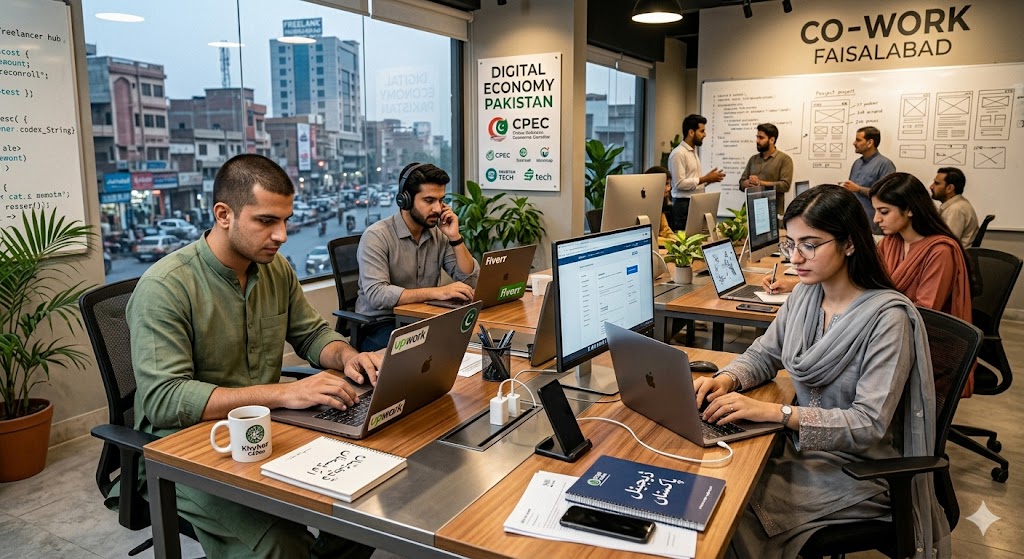
2. Digital Economy
Freelancing, IT exports, and online businesses are creating new income streams.
3. Education and Skills Development
Higher education leads to better-paying jobs and upward mobility.
4. SME Growth
Small and medium enterprises are critical for employment and innovation.
Future of Pakistan Middle Class Growth
The future of pakistan middle class growth depends on both risks and opportunities.
Optimistic Scenario
- Stable inflation
- Economic reforms
- Job creation
This could lead to a new wave of middle-class expansion.
Pessimistic Scenario
- Continued inflation
- Weak governance
- Low wage growth
This may result in further shrinkage of the middle class.
Most Likely Scenario
A mixed trajectory:
- Slow but steady recovery
- Growth in urban and digital sectors
- Continued pressure on traditional middle-class jobs
Why Pakistan Middle Class Growth Matters
A strong middle class:
- Boosts economic growth
- Increases tax revenue
- Supports democracy
- Encourages innovation
Without it, economic inequality rises and growth slows.
Strategies to Strengthen Middle Class Growth
To improve pakistan middle class growth, Pakistan needs:
1. Economic Stability
Control inflation and stabilize currency
2. Job Creation
Focus on industry, IT, and services
3. Tax Reforms
Reduce burden on middle-income households
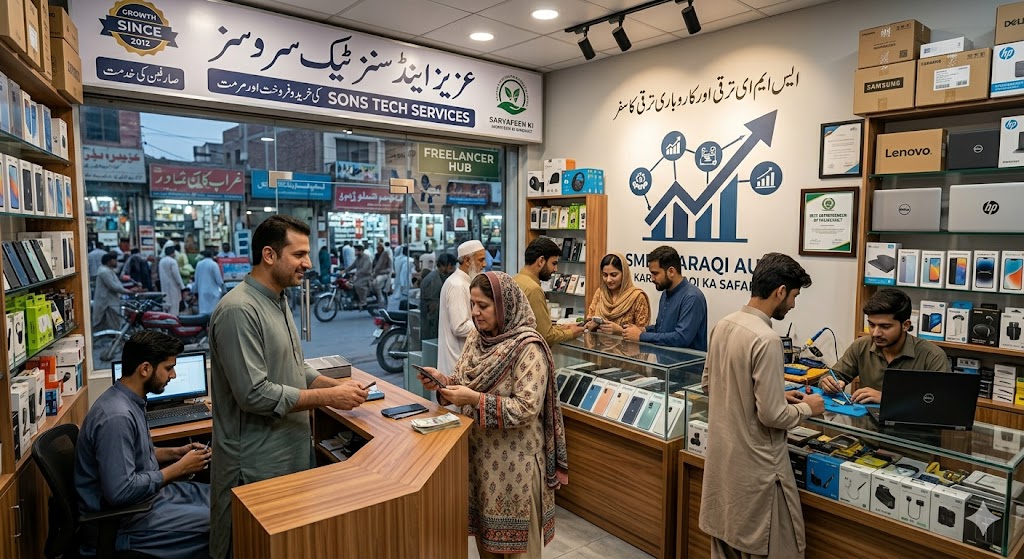
4. Support for SMEs
Provide funding and infrastructure
5. Education Reform
Align skills with market demand
Conclusion
The story of pakistan middle class growth is complex—marked by rapid expansion, recent decline, and cautious optimism for the future.
While challenges like inflation and wage stagnation remain, structural changes such as digitalization and salaried job growth offer hope. The future of pakistan middle class growth will depend largely on policy decisions, economic stability, and innovation.
FAQs
1. What is pakistan middle class growth?
It refers to the increase in the number of people with stable income, better living standards, and economic security in Pakistan.
2. Is Pakistan’s middle class growing or shrinking?
It has shown both trends—rapid growth in the past but recent decline due to inflation and economic pressures.
3. What are the main challenges facing the middle class?
Inflation, low wage growth, and high living costs are the biggest challenges.
4. What is the future of Pakistan middle class growth?
The future depends on economic reforms, job creation, and stability, with moderate growth expected.
5. Why is the middle class important for Pakistan?
It drives consumption, economic growth, and social stability.