
Introduction:
In recent years, Pakistan has faced formidable economic challenges, from fiscal deficits to inflationary pressures. However, the nation is now on the precipice of a transformative journey towards economic revival. The government, collaborating with various stakeholders, has initiated strategic measures to steer the country towards sustainable growth. This blog will delve into the key factors contributing to Pakistan’s economic revival and the comprehensive roadmap that has been laid out to achieve this ambitious goal.
- Structural Reforms:
One of the cornerstones of Pakistan’s economic revival is the implementation of comprehensive structural reforms. These reforms aim to address deep-rooted issues in various sectors, including taxation, energy, and public administration. The government has taken bold steps to simplify tax procedures, enhance revenue collection, and create a business-friendly environment. Additionally, efforts to improve governance and reduce corruption are crucial components of these reforms.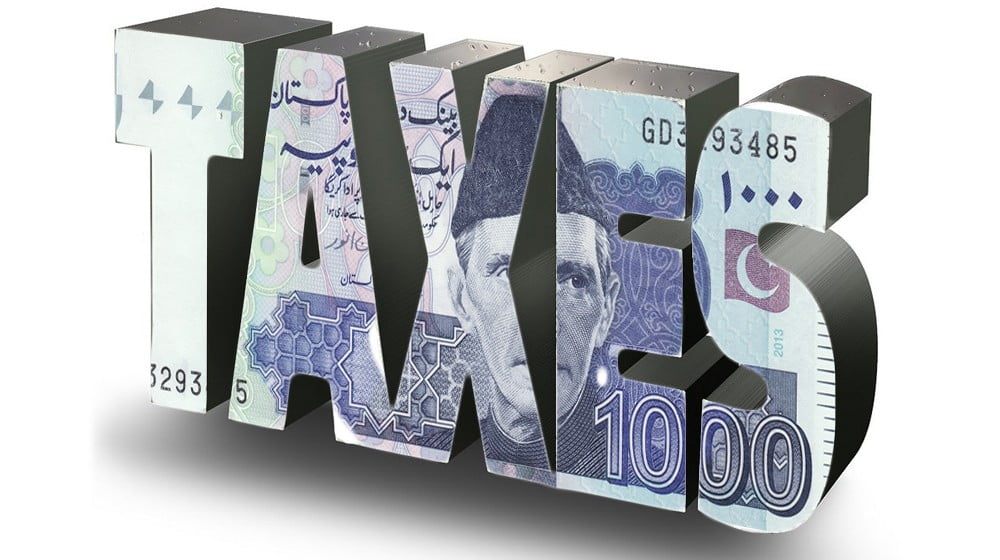
- Investment in Human Capital:
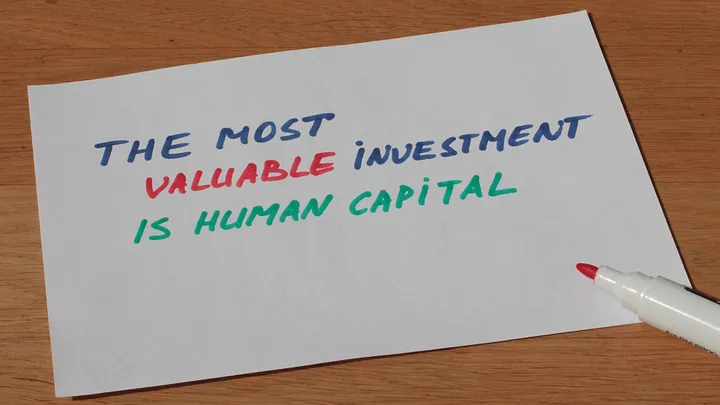
A thriving economy requires a skilled and healthy workforce. Recognizing this, Pakistan is placing a strong emphasis on investing in human capital. The government has increased spending on education and healthcare, aiming to improve literacy rates, enhance skills, and ensure a healthier population. By fostering an educated and skilled workforce, Pakistan is better positioned to attract foreign investment and stimulate economic growth.
- CPEC: A Game-Changer:
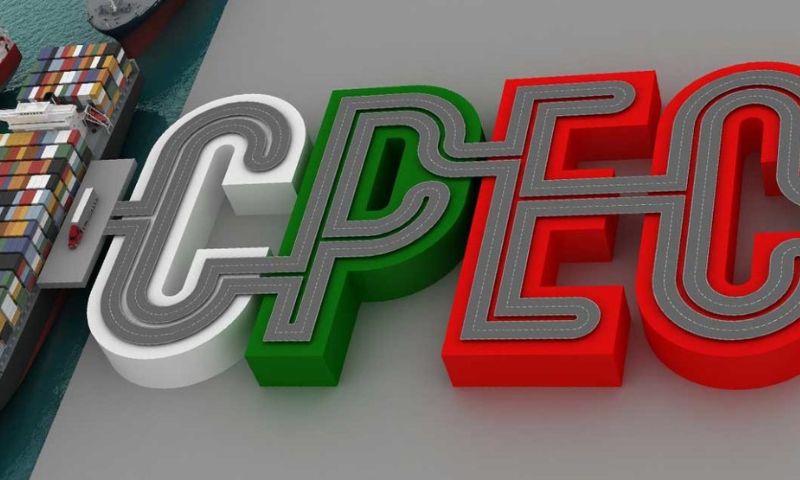
The China-Pakistan Economic Corridor (CPEC) has emerged as a linchpin for Pakistan’s economic revival. This ambitious project involves infrastructure development, energy projects, and industrial zones. The creation of modern transportation networks and energy infrastructure not only facilitates economic activities within the country but also positions Pakistan as a key player in regional trade. The dividends from CPEC are expected to contribute significantly to job creation and economic expansion.
- Export-Led Growth:
Diversifying the economy and boosting exports are crucial for sustained economic growth. Pakistan has adopted policies to promote export-oriented industries, providing incentives to manufacturers and exporters. Special Economic Zones (SEZs) have been established to attract foreign direct investment (FDI) and promote the manufacturing sector. By tapping into global markets, Pakistan aims to enhance its export competitiveness and reduce reliance on imports.
- Digital Transformation:
The digital revolution is reshaping economies worldwide, and Pakistan is no exception. The government has recognized the importance of digitalization in driving economic growth. Initiatives such as the Digital Pakistan Vision and the promotion of e-commerce are paving the way for a more digitally connected and efficient economy. The technology sector is experiencing a boom, attracting both domestic and foreign investment.

- Energy Sector Reforms:
A reliable and affordable energy supply is essential for industrial growth. Pakistan has undertaken significant reforms in the energy sector, focusing on improving efficiency, reducing line losses, and diversifying the energy mix. Investments in renewable energy sources, such as wind and solar power, are not only environmentally friendly but also contribute to energy security. These reforms have resulted in a more stable energy supply, fostering a conducive environment for businesses to thrive.
- Social Safety Nets:
As the economy undergoes transformation, it is imperative to ensure that the benefits are shared across all segments of society. Social safety nets have been strengthened to protect vulnerable populations from the impact of economic reforms. Targeted cash transfer programs and initiatives to address poverty are integral to creating an inclusive and equitable economic environment.
- International Cooperation:
Pakistan recognizes the importance of engaging with the international community to boost its economic revival. Strengthening diplomatic ties, participating in international forums, and fostering trade partnerships are part of the strategy. Collaborative efforts with international organizations and neighboring countries play a pivotal role in creating a conducive environment for economic growth.
- Industrial Upgradation:
A key driver of economic revival is the focus on industrial upgradation. The government is actively promoting the modernization of existing industries and the establishment of new, high-tech ventures. This not only enhances productivity but also ensures that Pakistan remains competitive in the global market. The introduction of advanced technologies and innovation in manufacturing processes fosters efficiency, quality, and scalability.
- Regulatory Reforms:
Streamlining regulatory frameworks is pivotal for attracting investments and fostering business growth. Pakistan has embarked on a journey to simplify regulatory processes, making it easier for businesses to operate. The reduction of bureaucratic hurdles and the introduction of investor-friendly policies create an environment conducive to entrepreneurship. Such regulatory reforms are instrumental in attracting both domestic and foreign investors, thereby stimulating economic activities.
- Sustainable Development:
Recognizing the importance of sustainable development, Pakistan is integrating environmental considerations into its economic policies. The promotion of eco-friendly practices and the implementation of green initiatives contribute not only to global environmental goals but also position the country as a responsible player in the international arena. Sustainable development ensures that economic growth is not achieved at the expense of the environment, leading to long-term benefits for both the planet and the economy.
- Strengthening Financial Institutions:
A robust financial sector is critical for economic stability and growth. Pakistan is working on strengthening its financial institutions, including banks and regulatory bodies. Measures are being taken to enhance the resilience of the banking sector, ensure transparency, and promote responsible lending practices. A sound financial system is essential for mobilizing savings, facilitating investments, and supporting overall economic development.
- Public-Private Partnerships:
The government is actively encouraging collaboration between the public and private sectors to accelerate economic growth. Public-Private Partnerships (PPPs) are being forged to develop infrastructure projects, such as roads, energy facilities, and telecommunications networks. This collaborative approach not only leverages the strengths of both sectors but also spreads the risks, making large-scale projects more feasible and efficient.
- Focus on Agriculture:
Agriculture has traditionally been a significant contributor to Pakistan’s economy. To ensure holistic economic development, the government is placing renewed emphasis on the agricultural sector. Initiatives to improve irrigation systems, introduce modern farming techniques, and provide farmers with access to credit and technology are underway. A vibrant agricultural sector not only ensures food security but also serves as a source of livelihood for a large portion of the population.
- Education and Research & Development (R&D):
Investing in education and research is pivotal for fostering innovation and staying competitive in the global knowledge economy. Pakistan is allocating resources to improve educational institutions, promote research and development activities, and create an environment that nurtures intellectual capital. A well-educated and innovative workforce is crucial for driving technological advancements, which, in turn, contributes to economic growth and competitiveness.
External Perspectives:
To gain insights from diverse sources, here are links to articles from reputable economic websites:
- World Bank: Pakistan Overview
- IMF – Pakistan and the IMF
- The Economist – Pakistan Economy
- Bloomberg – Pakistan Economy News
- Financial Times – Pakistan
Visual Enhancements:
- Government Initiatives Image
- CPEC Developments Map
- Export-Led Growth Infographic
- Digital Transformation Graphic
- Energy Sector Reforms Chart
- Social Safety Nets Photo
- International Cooperation Event
- Industrial Upgradation Facility
- Regulatory Reforms Image
- Sustainable Development Illustration
- Financial Institutions Logos
- Public-Private Partnerships Project
- Agriculture Initiatives Image
- Education and R&D Campus
Conclusion:
In conclusion, Pakistan’s economic revival is a multifaceted journey that encompasses a wide range of reforms and initiatives. The comprehensive approach involves not only addressing immediate challenges but also laying the groundwork for sustained and inclusive growth. As the nation progresses along this path, continued commitment to the outlined strategies, adaptability to changing global dynamics, and active collaboration between various stakeholders will be key to realizing the vision of a prosperous and resilient economy for Pakistan. The combined impact of these measures positions Pakistan on the cusp of a new era of economic prosperity and global relevance.