
Introduction
Education is the backbone of any nation’s development, serving as a catalyst for economic growth, poverty alleviation, and social progress. In Pakistan, the education sector has faced numerous challenges over the years, from outdated curricula to lack of infrastructure, inadequate teacher training, and low literacy rates. However, the need for comprehensive education reforms in Pakistan has never been more urgent, especially in the context of global competition and technological advancements. In this blog post, we will delve into how education reforms can lead to economic development in Pakistan and why investing in education is critical for the country’s future.
The Current State of Education in Pakistan
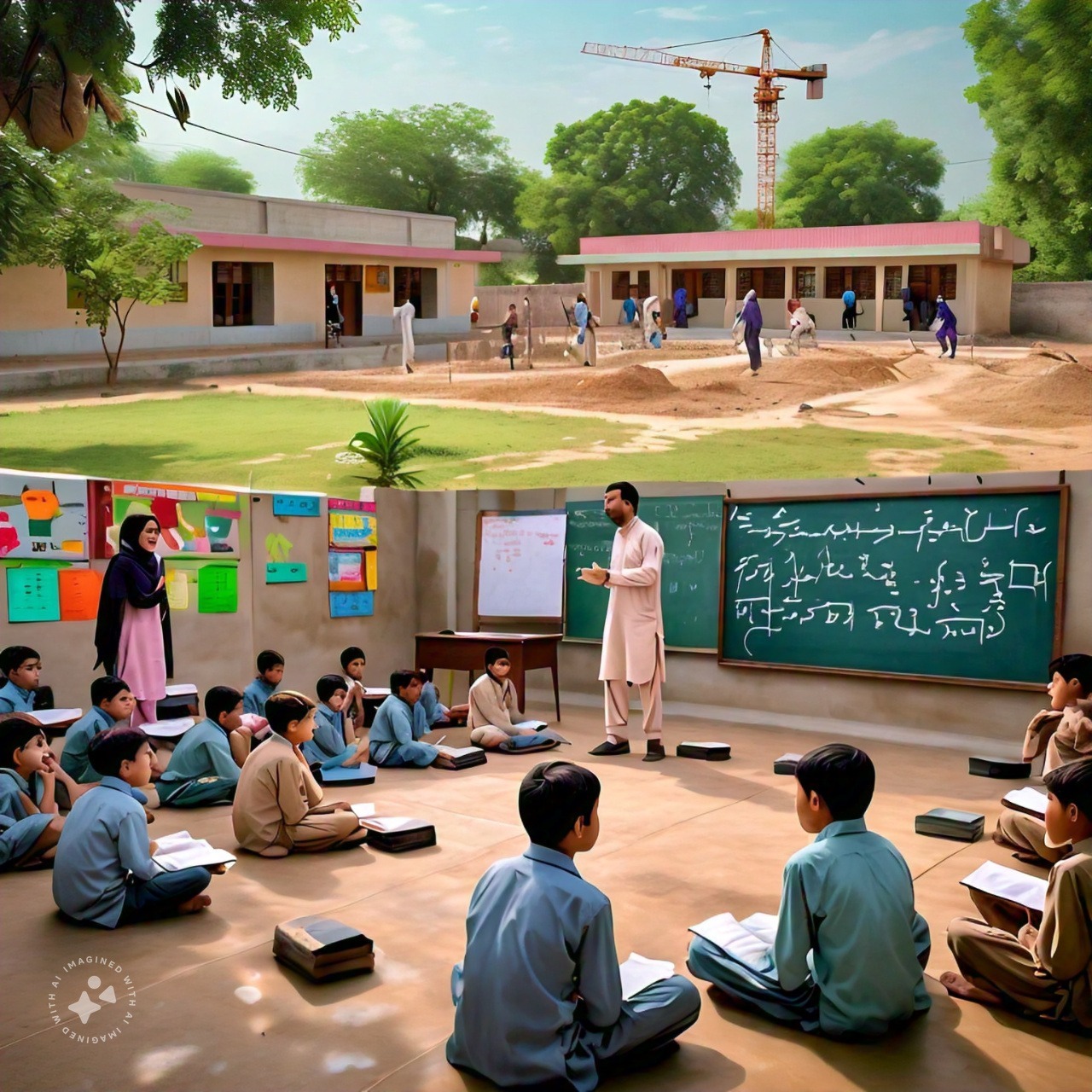
Pakistan, with a population of over 240 million, has one of the largest youth populations in the world. Despite this demographic advantage, the country faces significant challenges in providing quality education to its young citizens. According to the Pakistan Education Statistics (2019-2020), the literacy rate stands at 60%, with a significant disparity between urban and rural areas. Girls, particularly in rural areas, have limited access to education due to cultural norms and socio-economic constraints.
The quality of education in Pakistan is another major concern. Public schools suffer from inadequate funding, poor infrastructure, and untrained teachers. As a result, the education system is unable to equip students with the skills needed for the modern economy. Furthermore, the curriculum in many schools remains outdated, failing to align with the demands of the 21st century, such as critical thinking, problem-solving, and digital literacy.
Private schools, while offering better quality education, are often too expensive for the majority of the population. This has resulted in a two-tier education system, where only a small portion of the population has access to quality education, while the majority remain deprived of basic learning opportunities.
The Link Between Education and Economic Development
The relationship between education and economic development is well-established. Education empowers individuals by enhancing their skills, knowledge, and productivity, which in turn leads to higher income levels, improved living standards, and increased economic growth. Countries that invest heavily in education tend to experience rapid economic development, as a well-educated workforce is more capable of driving innovation and attracting investment.
For Pakistan, education reforms are crucial for addressing several key economic challenges:
- Unemployment and Underemployment: Pakistan faces high levels of unemployment and underemployment, particularly among the youth. A lack of relevant skills and vocational training has led to a mismatch between the skills of the workforce and the needs of the job market. Education reforms that focus on technical and vocational training, entrepreneurship, and digital skills can help bridge this gap and reduce unemployment rates.
- Productivity and Competitiveness: A well-educated workforce is essential for improving productivity and competitiveness. In today’s global economy, driven by technology and innovation, countries with skilled and adaptable workers compete more effectively in international markets. By reforming its education system, Pakistan can enhance its human capital and improve its productivity across various sectors.
- Poverty Reduction: Education is a powerful tool for poverty alleviation. Studies have shown that individuals with higher levels of education are more likely to escape poverty and improve their socio-economic status. In Pakistan, where poverty remains a significant issue, particularly in rural areas, improving access to quality education can help reduce poverty and promote inclusive economic growth.
The Role of Education Reforms in Economic Development
Education reforms in Pakistan can play a transformative role in promoting economic development. However, these reforms must be comprehensive, addressing not only access to education but also the quality and relevance of the curriculum. Here are some key areas where education reforms can contribute to economic development:
1. Curriculum Modernization
One of the most critical aspects of education reform is the modernization of the curriculum. The current education system in Pakistan is largely based on rote learning, which does not encourage critical thinking, creativity, or problem-solving skills. To prepare students for the demands of the modern economy, the curriculum needs to be updated to focus on science, technology, engineering, and mathematics (STEM) subjects, as well as digital literacy and entrepreneurship.
In addition to STEM, it is important to incorporate soft skills such as communication, teamwork, and leadership into the curriculum. These skills are essential for success in the workplace and can significantly enhance the employability of graduates.
2. Teacher Training and Development
The quality of education is directly linked to the quality of teachers. In Pakistan, many teachers lack the necessary training and resources to deliver effective instruction. Education reforms should prioritize teacher training and development, ensuring that educators are equipped with modern teaching methodologies and are able to adapt to new technologies and learning environments.
Investment in teacher training programs, continuous professional development, and performance-based incentives can significantly help improve the quality of teaching in both public and private schools. In addition, attracting qualified and motivated individuals to the teaching profession is crucial for raising the standard of education across the country.
3. Promoting Technical and Vocational Education
One of the key drivers of economic development is a skilled workforce. In Pakistan, there is a growing demand for skilled workers in industries such as information technology, manufacturing, and construction. However, the education system has traditionally placed more emphasis on academic subjects, neglecting technical and vocational education.
Reforming the education system to promote technical and vocational training can bridge the skills gap and meet labor market demands. Vocational programs must align with industry needs and offer hands-on training in fields like engineering, programming, and healthcare. By equipping students with practical skills, Pakistan can boost its productivity and attract foreign investment in key sectors.
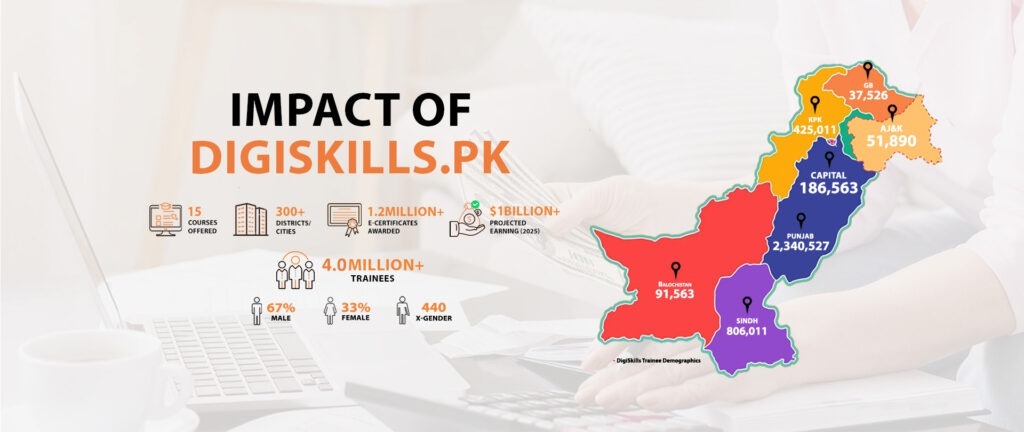
4. Increasing Access to Education
While improving the quality of education is important, it is equally crucial to ensure that all children have access to education. Significant disparities characterize Pakistan’s education system, as children in rural areas and low-income families face the greatest barriers to education. Girls, in particular, are often denied the opportunity to attend school due to cultural and socio-economic factors.
Education reforms should focus on increasing access to education for marginalized groups by addressing the root causes of exclusion. This can be achieved primarily through initiatives such as providing free or subsidized education, building more schools in underserved areas, and offering scholarships and financial aid to students from low-income families. Furthermore, community awareness programs can help change societal attitudes towards girls’ education and ultimately encourage more families to send their daughters to school.
5. Leveraging Technology for Education
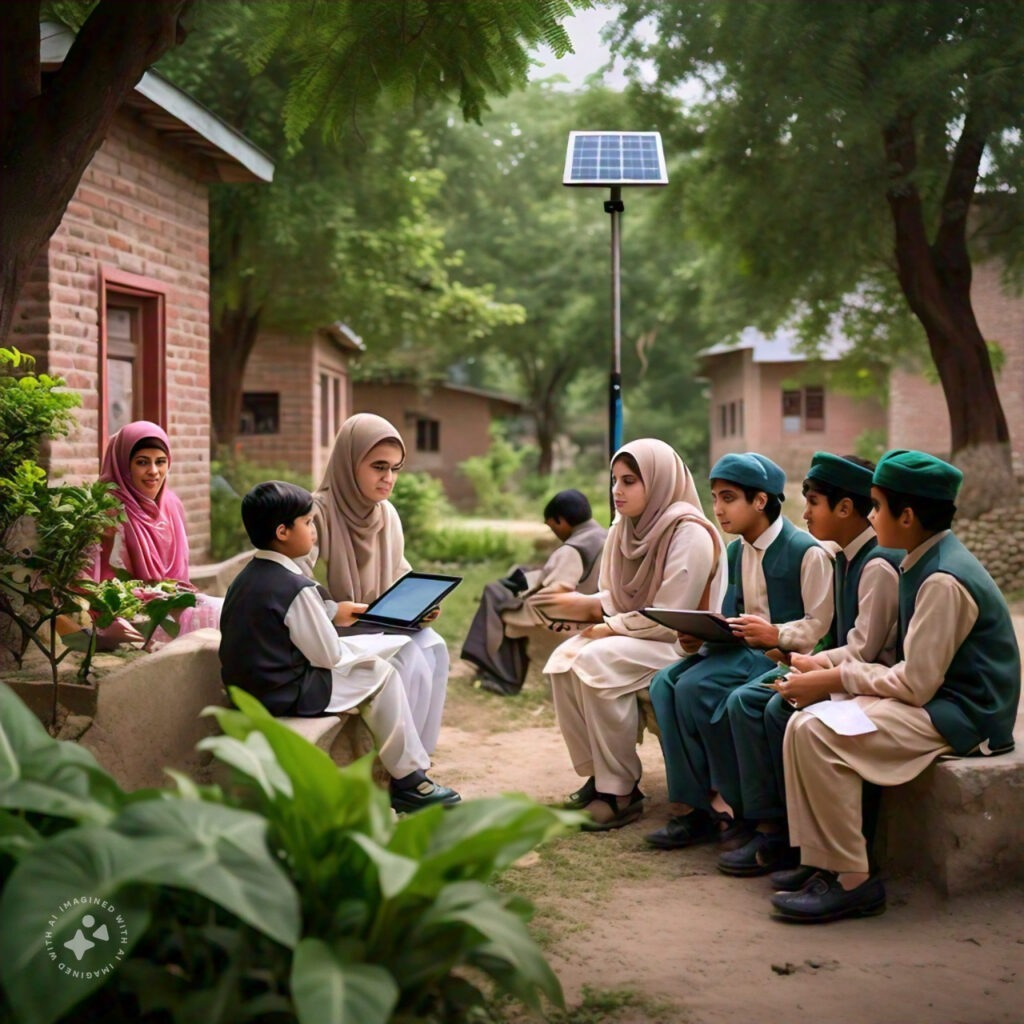
In the digital age, technology has the potential to revolutionize education and make learning more accessible, engaging, and effective. In Pakistan, where many schools lack basic infrastructure, leveraging technology can help bridge the gap between urban and rural education systems. For example, online learning platforms, mobile applications, and digital classrooms can provide students in remote areas with access to quality educational resources.
The COVID-19 pandemic has highlighted the importance of digital education, as schools across the country were forced to adopt remote learning methods. Moving forward, education reforms should prioritize the integration of technology into the education system, ensuring that students have access to the tools and resources they need to succeed in a digital world.
The Economic Benefits of Education Reforms
Investing in education reforms can yield significant economic benefits for Pakistan. Some of the key economic advantages include:
- Higher Economic Growth: A well-educated workforce is more productive and innovative, leading to higher economic growth. Studies have shown that countries with higher levels of education tend to experience faster economic development.
- Job Creation: Education reforms that focus on vocational training and entrepreneurship can help create new jobs, particularly in emerging sectors such as information technology, renewable energy, and healthcare.
- Improved Income Levels: Education is closely linked to income levels, with individuals who have higher levels of education earning more than their less-educated counterparts. By improving access to quality education, Pakistan can raise the income levels of its citizens and reduce income inequality.
- Attracting Foreign Investment: A skilled workforce is a key factor in attracting foreign investment. Multinational companies are more likely to invest in countries with a well-educated and highly skilled labor force. By reforming its education system, Pakistan can enhance its competitiveness and attract foreign direct investment (FDI) in key sectors.
- Poverty Reduction: Education is one of the most effective tools for reducing poverty. By equipping individuals with the skills they need to succeed in the workforce, education reforms can help lift millions of Pakistanis out of poverty and promote inclusive economic growth.
Conclusion
Education reforms are critical for the economic development of Pakistan. A modern, inclusive, and high-quality education system equips the youth with skills to compete globally. It fosters innovation and contributes to sustainable economic growth. By addressing the challenges facing the education sector and implementing comprehensive reforms, Pakistan can unlock its full economic potential and create a brighter future for its citizens.
The government, private sector, and civil society must work together to prioritize education and invest in the future of Pakistan. Education is not just a fundamental human right; it builds the foundation for a prosperous and equitable society. Pakistan must implement education reforms now to create lasting benefits for generations.
One comment
tmailor
September 25, 2024 at 1:15 pm
I’m often to blogging and i really appreciate your content. The article has actually peaks my interest. I’m going to bookmark your web site and maintain checking for brand spanking new information.