
Introduction:
Pakistan has long relied on international trade as an engine of economic growth and development. For decades, the nation’s export-import industry has played a pivotal role in generating foreign exchange earnings, creating jobs, and strengthening relationships with key trading partners around the world. However, Pakistan also faces significant challenges in expanding its export capacity and diversifying its trading portfolio. This post analyzes the current state of Pakistan’s export-import sector, identifies key opportunities and obstacles, and provides strategic recommendations for boosting foreign trade going forward.
An Overview of Pakistan’s Trade Dynamics
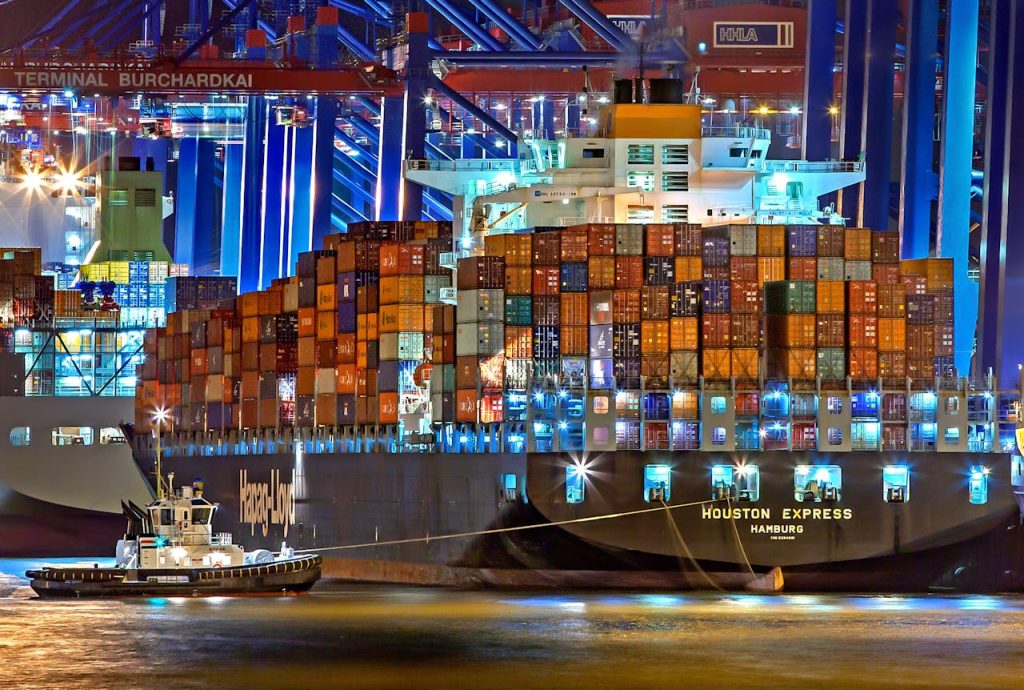
Pakistan has a population of over 200 million people, making it the world’s fifth most populous country. However, its total global trade only amounted to around $80 billion in 2020. Textiles account for over 60% of the country’s merchandise exports, with other top exports including rice, leather goods, sports goods, and cutlery. Major export destinations include the United States, China, the United Kingdom, Afghanistan, and Germany. On the import side, Pakistan relies heavily on fuel, machinery, raw materials, consumer goods, transportation equipment, and food items. Key sources of imports are China, the United Arab Emirates, Saudi Arabia, Indonesia, and Switzerland.
Opportunities for Growth in Export Industries
While textiles will likely remain Pakistan’s top export sector, there is untapped potential in several emerging industries as well. Two areas that show strong promise for boosting Pakistan’s non-textile exports are:
Information Technology (IT) – Pakistan has a large, young, English-speaking workforce with technology skills. The country can leverage this to ramp up IT service exports including software development, back-office support, and business process outsourcing. Initiatives like Special Technology Zones and tax incentives are helping to attract global IT firms and investors. With continued efforts, IT exports could grow substantially in the coming years.
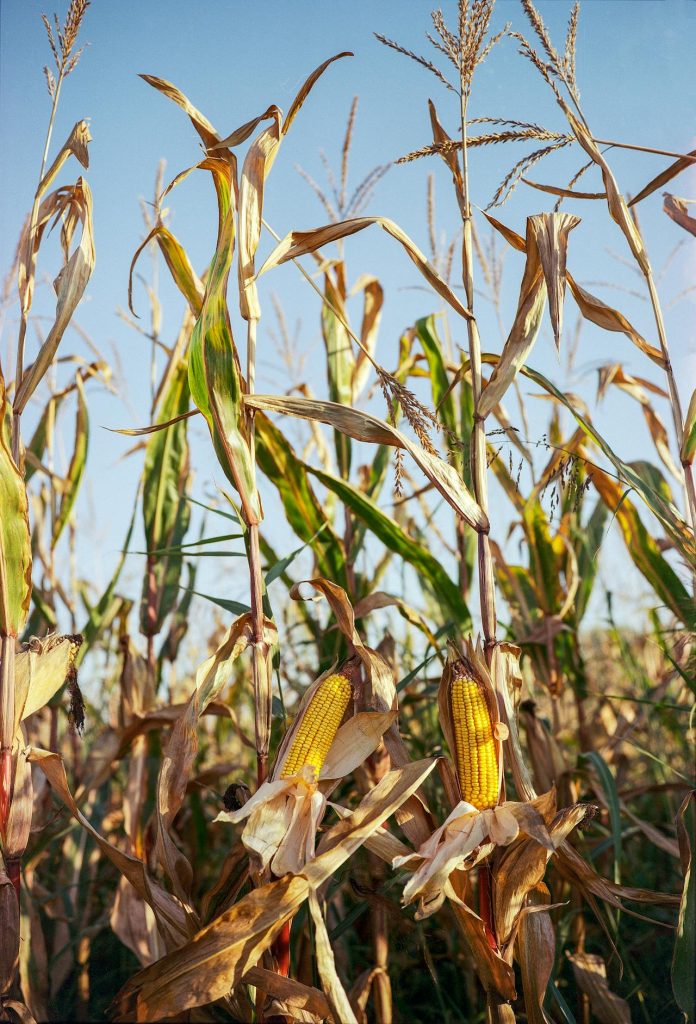
Agriculture – Pakistan has a favorable climate and vast agricultural land for producing high-value crops beyond traditional commodities like rice and cotton. Fruits, vegetables, spices, and livestock/dairy all offer opportunities. The government aims to boost value-added agro-industry and food exports through certifications, quality standards, and branding/marketing campaigns overseas. With many countries seeking diversity in agricultural imports, Pakistan is well-positioned take advantage.
Other Potential Growth Sectors
Several other non-traditional sectors demonstrate promise for Pakistan to expand its export base beyond core industries. These include pharmaceuticals, chemicals, surgical instruments, and tourist handicrafts. With appropriate strategies and backing, Pakistan can begin gaining international market share in these budding areas as well. Additionally, Pakistan’s mining industry shows untapped benefits due to reserves of commodities like copper, gold, coal and other valuable minerals. If authorities establish a robust mining sector, it will aid Pakistan in strengthening foreign exchange earnings. Coal, gold and copper production could all bolster export revenues when the country develops these resources through focused policies and investments. Moving forward, pursuing emerging industries will be integral to diversifying Pakistan’s exports profile.
Major Hurdles and How to Overcome Them
While opportunities abound, Pakistan continues to face steep challenges in fully capitalizing on its export potential. Some of the most significant hurdles include:
Infrastructure Deficiencies – Transport bottlenecks at seaports and lack of modernized infrastructure add to exporters’ costs and cause delays. Upgrading ports, roads, and railways would enhance export competitiveness.
Energy Shortages – Frequent power outages disrupt industrial production and manufacturing. Power sector reforms, alternative energy investments, and energy conservation measures are needed to ensure steady, affordable supply.
Access to Financing – Exporters struggle to obtain low-cost, long-term financing for infrastructure, land, plant/machinery, and working capital needs. Developing export credit agencies and financing programs can help address this constraint.
Trade Policy Uncertainty – Ongoing trade tensions with neighboring countries and inconsistent policies deter investors. A predictable, stable trade regime with regional trading partners would encourage long-term planning.
Limited Global Branding – Pakistan has not actively promoted its “Brand Pakistan” on the global stage. As a result, the country has fallen behind competitors in international recognition for its exports. International trade expos, missions, and marketing campaigns will help raise Pakistan’s profile abroad if authorities further invest in these initiatives.Such events allow Pakistan to display its quality goods and services to more overseas buyers, increasing demand. Networking opportunities at expos also let Pakistan discuss bilateral trade agreements or removing non-tariff barriers. Therefore, strengthening Brand Pakistan through targeted promotional initiatives represents a meaningful step authorities can take to open new export avenues going forward.
By comprehensively addressing these structural bottlenecks through policy reforms, public-private projects, and targeted interventions, Pakistan can unlock its true export promise over the medium to long run.
Concluding Remarks
While navigating through challenges, Pakistan’s export industry has proven remarkably resilient due to the hard work and perseverance of local businesses. With the right enabling conditions and strategic prioritization of high-potential sectors, exports can power the country’s economic journey in the years ahead. The opportunities far outweigh the obstacles if concerted efforts are made on all fronts to develop world-class infrastructure to ensure sustainable energy supply, enact stable trade policies, and accelerate global branding of key Pakistani goods and services. International cooperation will also be vital to help Pakistan fully leverage its diverse resources and competitive business environment. With focus and follow-through. Pakistan’s export-import industry is poised for takeoff.