
Introduction to Blockchain Technology
Blockchain technology, once synonymous with cryptocurrencies like Bitcoin and Ethereum, has evolved far beyond its original scope. Today, blockchain is being leveraged across a range of industries to enhance security, transparency, and efficiency. In this post, we will explore the latest trends in blockchain technology beyond cryptocurrencies, highlighting its applications in finance, healthcare, supply chain management, and more.

Understanding Blockchain Technology
At its core, blockchain is a decentralized ledger that records transactions across multiple computers. This decentralized nature ensures that data remains secure, transparent, and immutable. Each block in the chain contains a list of transactions, and once added, it cannot be altered without modifying all subsequent blocks, which requires consensus from the network.
Key Trends in Blockchain Beyond Crypto
- Enterprise Blockchain Adoption: Businesses are increasingly adopting blockchain to streamline operations, improve security, and reduce costs. Companies like IBM and Microsoft are leading with enterprise-specific blockchain solutions.
- Decentralized Finance (DeFi): DeFi platforms leverage blockchain to offer financial services without intermediaries, such as lending, borrowing, and trading, giving users more control over their assets.
- Supply Chain Management: Blockchain enhances transparency in supply chains by enabling real-time tracking of goods from origin to destination, reducing fraud, improving efficiency, and ensuring product authenticity.
- Healthcare: Blockchain is transforming healthcare by securing patient data, improving interoperability between systems, and enabling the secure sharing of medical records.
- Smart Contracts: Self-executing contracts with terms written directly into code are revolutionizing industries by automating processes and reducing the need for intermediaries.
Enterprise Blockchain Adoption
Enterprise blockchain solutions are tailored to meet the specific needs of businesses, offering a variety of benefits:
- Enhanced Security: Blockchain’s decentralized architecture makes it highly secure, reducing the risk of data breaches.
- Improved Transparency: All transactions on a blockchain are visible to authorized participants, ensuring accountability.
- Cost Reduction: By eliminating intermediaries and automating processes, blockchain significantly reduces operational costs.
- Increased Efficiency: Blockchain streamlines processes, shortening the time required for reconciliation, auditing, and other tasks.
Case Study: IBM Food Trust
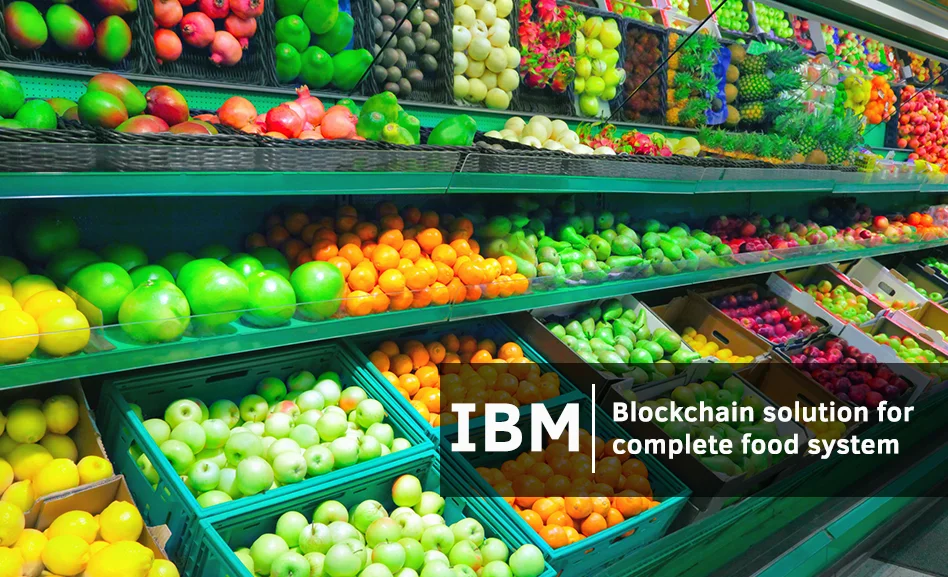
IBM Food Trust is a blockchain-based solution that improves food safety and traceability. By tracking the journey of food products from farm to table, it enhances transparency and reduces contamination risks, thereby boosting consumer trust and helping businesses comply with regulatory requirements.
Decentralized Finance (DeFi)
DeFi represents one of the most exciting applications of blockchain, aiming to recreate traditional financial systems through decentralized networks. Key components of DeFi include:
- Lending and Borrowing: Platforms like Aave and Compound allow users to lend and borrow assets without intermediaries, offering lower fees and higher returns compared to traditional banking systems.
- Decentralized Exchanges (DEXs): DEXs like Uniswap enable users to trade cryptocurrencies directly with each other, bypassing the need for a central authority.
- Stablecoins: Cryptocurrencies pegged to stable assets, such as the US dollar, reduce volatility in the crypto market.
- Yield Farming: Users can earn rewards by providing liquidity to DeFi platforms, incentivizing participation and growth.
Supply Chain Management
Blockchain’s ability to provide an immutable and transparent record of transactions makes it ideal for supply chain management, offering the following benefits:
- Real-Time Tracking: Blockchain enables real-time tracking of goods, ensuring full visibility across the entire supply chain.
- Fraud Prevention: By recording every transaction on a tamper-proof ledger, blockchain significantly reduces the risk of fraud and counterfeiting.
- Operational Efficiency: Automated processes and smart contracts streamline supply chain operations, reducing delays and human errors.
Case Study: Walmart and Blockchain
Walmart utilizes blockchain to track the origin of its food products, ensuring they are sourced ethically and safely. This system also allows the company to quickly identify and remove contaminated items from the supply chain, improving safety and consumer trust.
Healthcare
Blockchain is addressing key challenges in the healthcare industry, including data security, interoperability, and patient privacy. Key applications include:
- Secure Medical Records: Blockchain ensures that medical records remain secure and are only accessible to authorized parties.
- Interoperability: Blockchain facilitates the secure exchange of data between healthcare systems, improving patient care and reducing redundant tests.
- Clinical Trials: Blockchain can improve the transparency and integrity of clinical trials by securely recording and tracking data.
Case Study: MedRec
MedRec is a blockchain-based system that gives patients a comprehensive, immutable record of their medical history. This system improves data accuracy and allows patients to control access to their medical information.
Smart Contracts
Smart contracts are self-executing contracts with terms written directly into code. They offer several advantages:
- Automation: Smart contracts automate processes, reducing reliance on intermediaries and minimizing human error.
- Cost Savings: By eliminating intermediaries, smart contracts lower transaction costs.
- Trust and Transparency: The terms of smart contracts are visible to all parties involved, ensuring transparency and building trust.
Case Study: Ethereum
Ethereum is the leading platform for smart contracts, enabling developers to create decentralized applications (dApps) that operate on its blockchain. These dApps have a wide range of applications, from finance to gaming.
Future Prospects of Blockchain Beyond Crypto
The future of blockchain technology is bright, with several exciting developments on the horizon:
- Interoperability: Improved interoperability between different blockchain networks will enhance functionality and adoption.
- Regulatory Clarity: As governments establish clearer guidelines, blockchain adoption is expected to accelerate.
- Integration with AI: The combination of AI and blockchain could enhance data analysis, decision-making, and automation.
- Sustainability: Blockchain is being used to promote sustainability, such as tracking carbon credits and ensuring ethical sourcing.
- Metaverse: Blockchain will play a pivotal role in the metaverse, providing the infrastructure for digital ownership and transactions.

Conclusion
Blockchain technology has come a long way since its inception as the foundation of cryptocurrencies. Its applications now extend across various industries, offering solutions that enhance security, transparency, and efficiency. As blockchain continues to evolve, it will play an increasingly important role in shaping the future of decentralized systems, making it an area worth watching closely.