
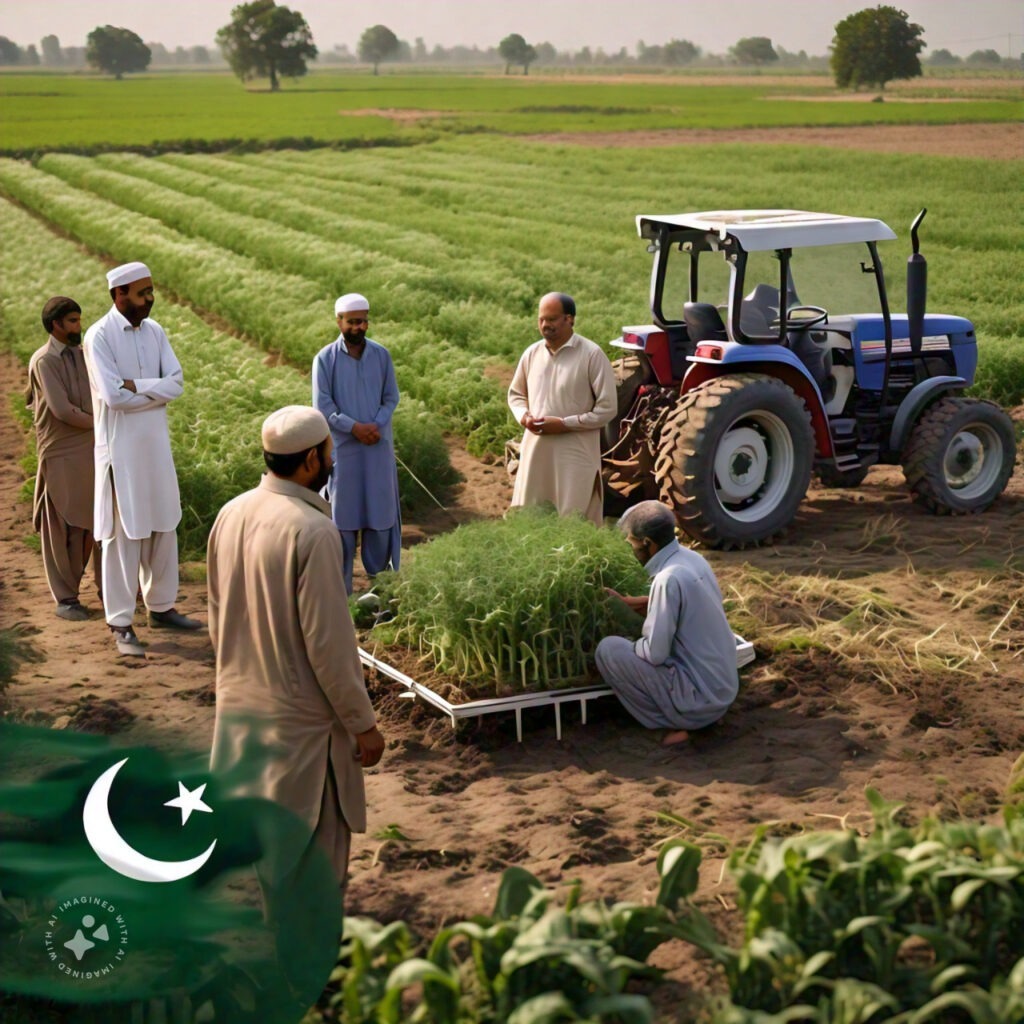
Pakistan’s agriculture sector is the backbone of the country’s economy, employing nearly 40% of the workforce and contributing around 20% to the GDP. Despite its significance, the sector faces numerous challenges that hinder its growth and productivity. In this blog, we will discuss the challenges and opportunities in Pakistan’s agriculture, highlighting the need for sustainable solutions to ensure food security and economic prosperity.
Challenges in Pakistan’s Agriculture
1. Water Scarcity
Pakistan is facing a severe water crisis, with the per capita water availability decreasing drastically over the years. The agricultural sector is the largest consumer of water, and the scarcity of this precious resource poses a significant threat to crop yields and food security. The situation is further exacerbated by:
- Inefficient irrigation systems, resulting in water wastage
- Limited water storage capacity, leading to inadequate water supply during dry seasons
- Climate change, affecting precipitation patterns and water availability

2. Climate Change
Climate change has had a devastating impact on Pakistan’s agriculture, with:
- Rising temperatures, altering crop growth cycles and yields
- Changing precipitation patterns, leading to droughts and floods
- Increased frequency of extreme weather events, damaging crops and infrastructure
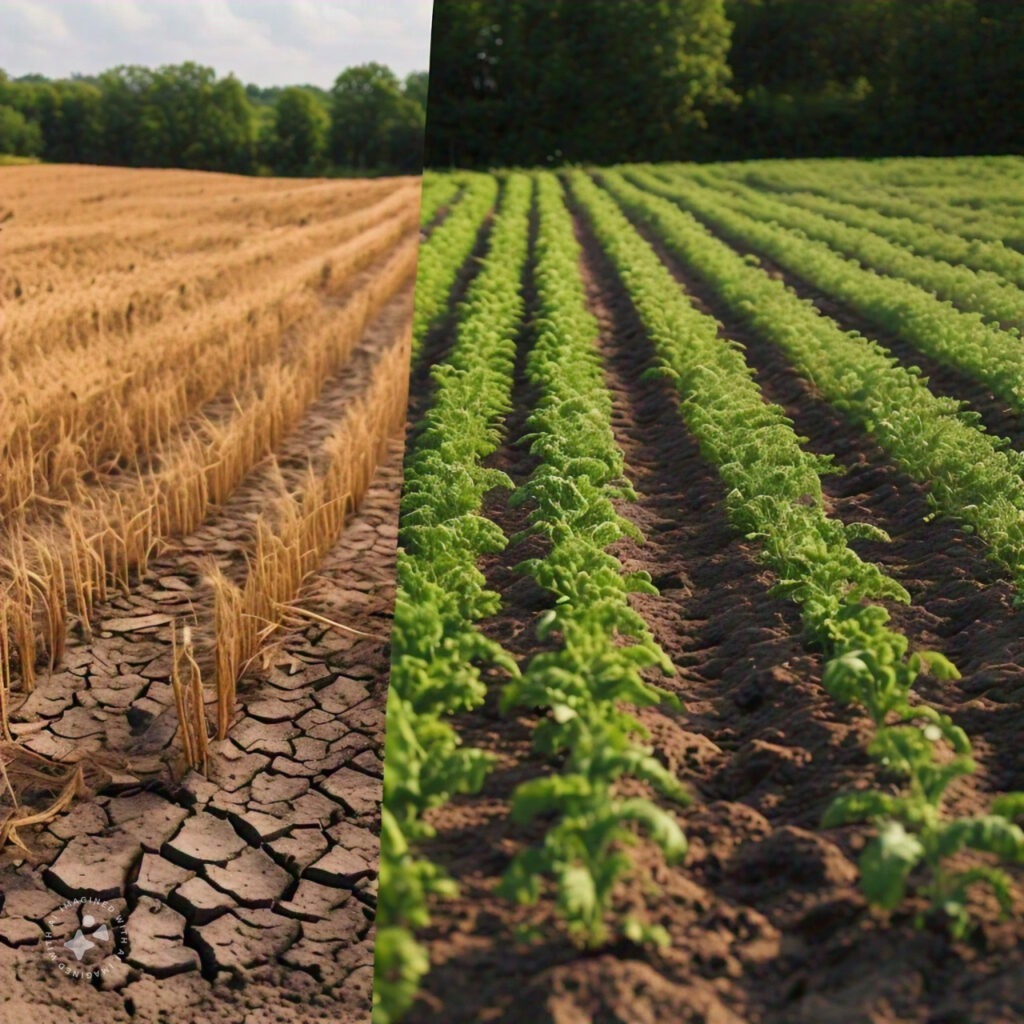
3. Soil Degradation
Soil degradation due to:
- Erosion, reducing fertile topsoil and affecting soil quality
- Salinization, increasing soil salinity and reducing crop yields
- Nutrient depletion, affecting soil fertility and crop growth
4. Outdated Farming Practices
Many farmers in Pakistan still use traditional farming practices, which are often inefficient and unsustainable, including:
- Limited use of technology, such as precision agriculture and mechanization
- Inadequate irrigation management, leading to water wastage and reduced yields
- Insufficient use of fertilizers and pesticides, affecting crop quality and yields

5. Limited Access to Markets
Farmers in Pakistan often face difficulties in accessing markets, resulting in:
- Reduced prices for their produce, limiting profit margins
- Limited access to credit and financial services, hindering investment in modern farming practices
- Inadequate market information, making it difficult for farmers to make informed decisions
6. Limited Irrigation Infrastructure
Pakistan’s irrigation infrastructure is inadequate, with:
- Many canals and watercourses in need of repair and upgrading
- Limited water storage capacity, leading to inadequate water supply during dry seasons
- Inefficient irrigation systems, resulting in water wastage

7. High Post-Harvest Losses
Pakistan experiences significant post-harvest losses due to:
- Inadequate storage facilities, leading to spoilage and damage
- Inefficient supply chains, resulting in reduced profits for farmers
- Poor handling practices, affecting produce quality and shelf life
Opportunities in Pakistan’s Agriculture
1. Precision Agriculture
The adoption of precision agriculture techniques, such as:
- Drones, for crop monitoring and management
- Satellite imaging, for soil mapping and crop yield prediction
- Sensor technology, for optimized irrigation and fertilization
can help optimize crop yields, reduce water consumption, and minimize the use of fertilizers and pesticides.
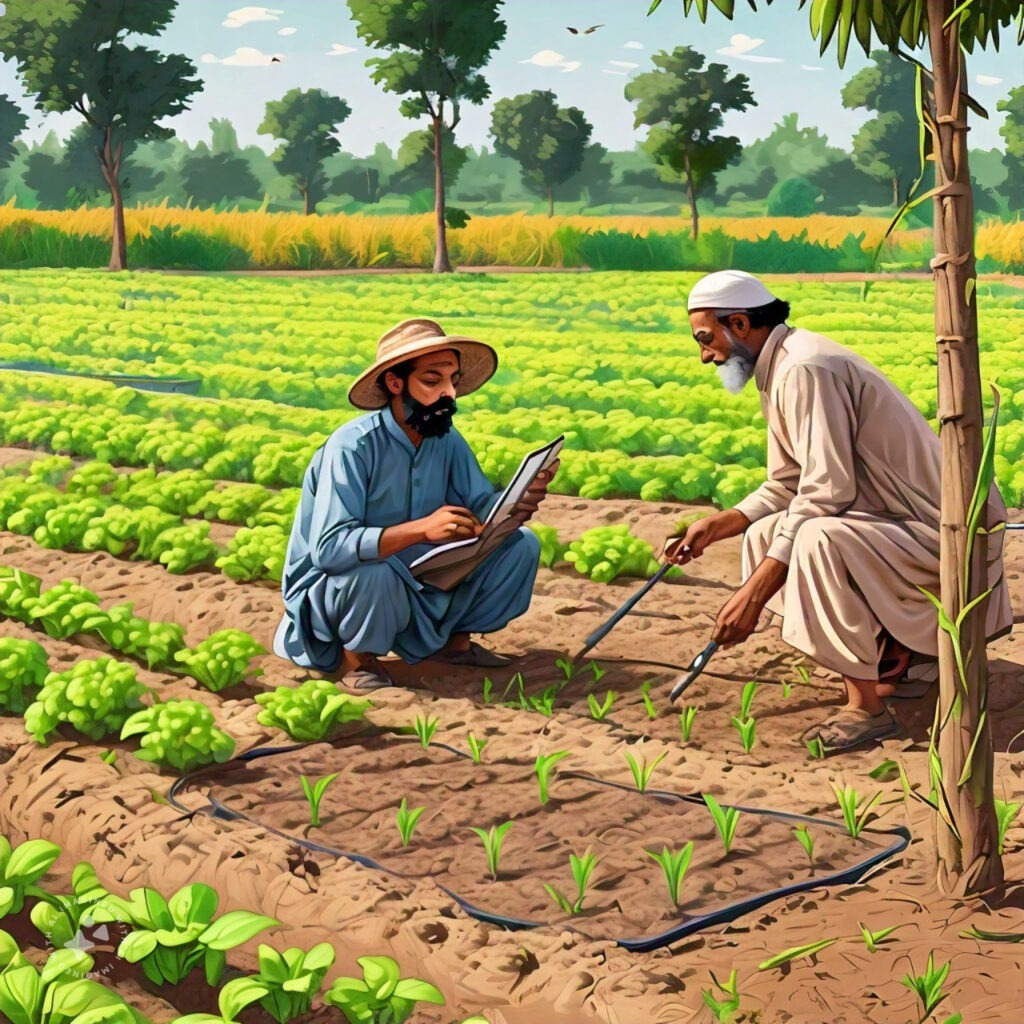
2. Organic Farming
Pakistan has the potential to become a significant player in the global organic market, with:
- Fertile soil and favorable climate, ideal for organic farming
- Growing demand for organic produce, both domestically and internationally
- Opportunities for value addition and increased profits for farmers
3. Value Addition
Value addition through:
- Processing and packaging, increasing the shelf life and quality of produce
- Developing new products, such as juices, jams, and pickles
- Branding and marketing, increasing the recognition and value of Pakistani produce
can increase the profitability of agricultural products, providing farmers with higher returns and creating new employment opportunities.
4. Irrigation Modernization
Upgrading Pakistan’s irrigation infrastructure and adopting modern irrigation techniques, such as:
- Drip irrigation, reducing water consumption and increasing efficiency
- Sprinkler systems, optimizing water use and reducing waste
- Canal lining, reducing water seepage and increasing supply
can significantly reduce water consumption and increase crop yields.

5. Livestock Development
Pakistan’s livestock sector has immense potential, with opportunities for growth in:
- Dairy farming, increasing milk production and quality
- Poultry, increasing meat and egg production
- Meat production, increasing the supply of halal meat
6. Agricultural Research and Development
Investment in agricultural research and development can help:
- Develop new crop varieties, resistant to climate change and diseases
- Improve farming practices, increasing efficiency and productivity
- Increase the use of technology, such as precision agriculture and mechanization

7. Public-Private Partnerships
Collaboration between the public and private sectors can help:
- Address the challenges facing Pakistan’s agriculture, providing farmers with access to modern technology, training, and markets
- Develop infrastructure, such as irrigation systems, storage facilities, and transportation networks
- Promote value addition and processing, increasing the profitability of agricultural products
- Enhance research and development, driving innovation and productivity growth
8. Government Initiatives
The government of Pakistan has launched several initiatives to address the challenges facing the agriculture sector, including:
- The National Agriculture Policy 2019, aiming to increase productivity, efficiency, and value addition
- The Prime Minister’s Agriculture Emergency Program, focusing on water conservation, soil fertility, and crop yields
- The Pakistan Agricultural Research Council, promoting research and development in agriculture
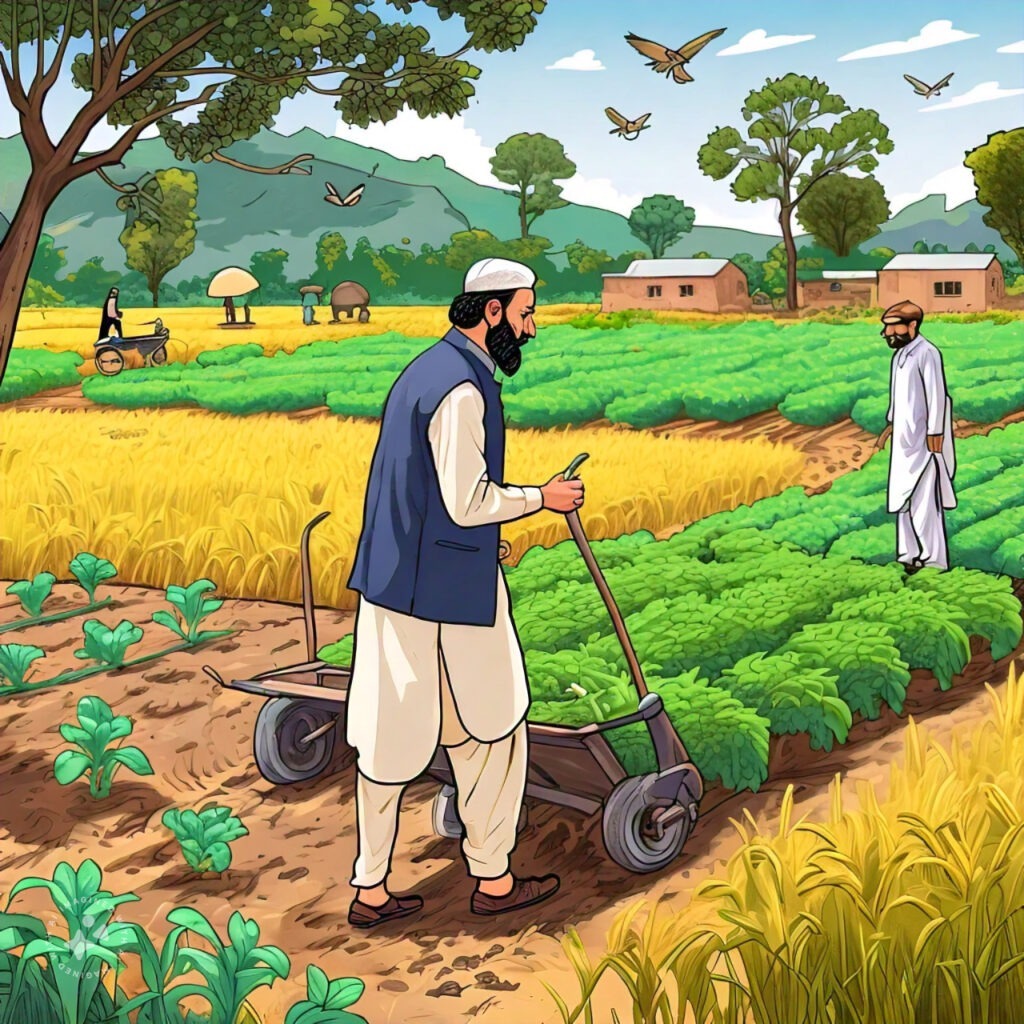
6. Private Sector Initiatives
The private sector is also playing a crucial role in addressing the challenges facing Pakistan’s agriculture, including:
- Investment in precision agriculture, irrigation modernization, and value addition
- Development of new crop varieties and farming practices
- Provision of credit and financial services to farmers
- Promotion of organic farming and sustainable agriculture practices
Conclusion
Pakistan’s agriculture sector faces numerous challenges, including water scarcity, climate change, soil degradation, outdated farming practices, limited access to markets, limited irrigation infrastructure, and high post-harvest losses. However, there are also opportunities for growth and development, including precision agriculture, organic farming, value addition, irrigation modernization, livestock development, agricultural research and development, and public-private partnerships. To ensure food security and economic prosperity, it is essential to address the challenges and capitalize on the opportunities in Pakistan’s agriculture.
Recommendations
- Improve irrigation infrastructure and adopt modern irrigation techniques
- Promote precision agriculture and organic farming practices
- Enhance value addition and processing of agricultural products
- Develop infrastructure, such as storage facilities and transportation networks
- Encourage public-private partnerships and investment in agriculture
- Support research and development in agriculture
- Provide training and education to farmers on modern farming practices
2 comments
startup talky
August 23, 2024 at 11:01 am
startup talky I really like reading through a post that can make men and women think. Also, thank you for allowing me to comment!
Simplywall
August 30, 2024 at 1:00 pm
Simplywall Nice post. I learn something totally new and challenging on websites