

Introduction to Future of AI in Pakistan
As the world hurtles towards a technological revolution, Pakistan is poised to embrace the transformative future of Artificial Intelligence (AI). With its vast potential to reshape industries and improve lives, AI is set to play a pivotal role in the country’s future. In this blog, we’ll delve into the exciting prospects of AI in Pakistan, exploring its applications, challenges, and the boundless opportunities it presents.
The Current Landscape of AI in Pakistan
Pakistan has already taken its first steps into the AI landscape, with various initiatives and projects underway. The government has launched programs like the “Digital Pakistan” initiative, aimed at harnessing technology to drive economic growth and improve public services. Additionally, institutions like the National University of Sciences and Technology (NUST) and the Lahore University of Management Sciences (LUMS) are actively involved in AI research and development.
Applications of AI in Pakistan
AI’s versatility makes it an ideal solution for various sectors in Pakistan, including:
1. Agriculture
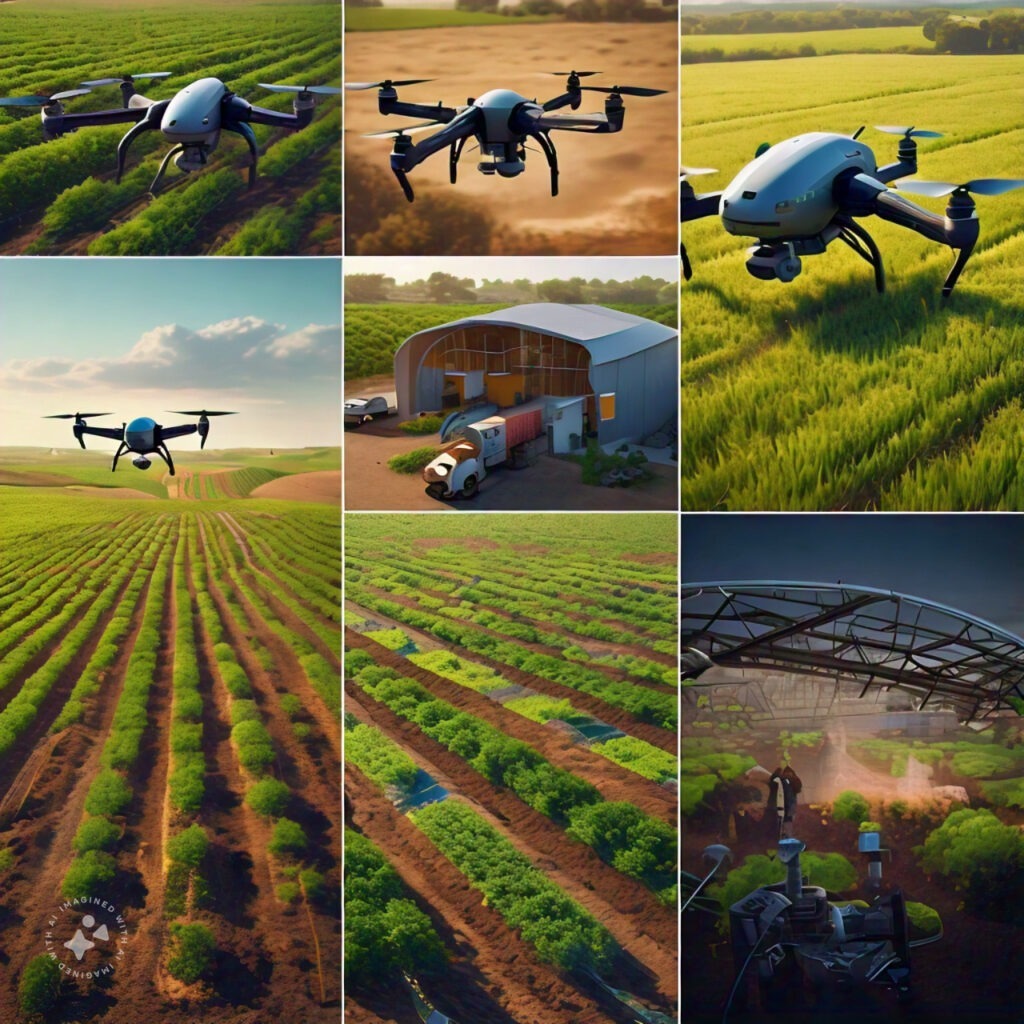
- AI-powered precision farming can optimize crop yields, reduce waste, and enhance decision-making for farmers.
- Examples:
- Crop monitoring using drones and satellite imaging
- Predictive analytics for weather forecasting and soil condition assessment
- Automated irrigation systems and precision farming techniques
- Benefits:
- Increased crop yields and reduced waste
- Improved decision-making and reduced manual labor
- Enhanced food security and reduced environmental impact
2. Healthcare
- AI-assisted diagnosis, drug discovery, and personalized medicine can revolutionize healthcare in Pakistan.
- Examples:
- AI-powered diagnostic tools for cancer detection and disease diagnosis
- Personalized treatment plans and drug discovery
- Predictive analytics for disease prevention and population health management
- Benefits:
- Improved diagnostic accuracy and reduced errors
- Personalized treatment plans and improved patient outcomes
- Enhanced disease prevention and population health management

3. Education
- AI-driven adaptive learning, intelligent tutoring systems, and automated grading can improve education outcomes.
- Examples:
- Personalized learning platforms and adaptive learning systems
- AI-powered chatbots for student support and guidance
- Automated grading and feedback systems
- Benefits:
- Improved learning outcomes and increased student engagement
- Personalized learning experiences and reduced teacher workload
- Enhanced student support and guidance

4. Manufacturing and Industry
- AI can enhance productivity, quality control, and supply chain management in Pakistan’s manufacturing sector.
- Examples:
- Predictive maintenance and quality inspection using computer vision
- Automated production lines and robotics
- Supply chain optimization and inventory management
- Benefits:
- Increased productivity and reduced downtime
- Improved product quality and reduced defects
- Enhanced supply chain management and reduced costs

5. Security and Surveillance
- AI-powered surveillance systems can strengthen national security and law enforcement in Pakistan.
- Examples:
- Facial recognition and object detection for threat identification
- Predictive analytics for crime prevention and intelligence gathering
- Automated surveillance systems and border control
- Benefits:
- Enhanced national security and reduced crime rates
- Improved law enforcement and intelligence gathering
- Automated surveillance and border control

Challenges and Opportunities
While AI presents numerous opportunities, Pakistan also faces challenges in adopting this technology, including:
1. Infrastructure
- Upgrading Pakistan’s digital infrastructure is crucial for seamless AI integration.
- Examples:
- High-speed internet and data centers
- Cloud computing and data storage
- Cybersecurity and data protection
- Benefits:
- Enhanced digital infrastructure and reduced costs
- Improved data storage and security
- Increased access to cloud computing and AI services
2. Skills and Training
- Developing a skilled workforce proficient in AI is essential for its successful implementation.
- Examples:
- AI training programs and workshops
- Vocational training and degree programs
- Online courses and certification programs
- Benefits:
- Skilled workforce and reduced talent gap
- Improved AI adoption and implementation
- Enhanced innovation and entrepreneurship

3. Data Privacy and Security
- Ensuring the ethical use and protection of data is vital in AI applications.
- Examples:
- Data encryption and access controls
- Privacy policies and data protection laws
- Cybersecurity and threat detection
- Benefits:
- Enhanced data protection and privacy
- Reduced cyber threats and attacks
- Improved trust and confidence in AI systems
4. Regulatory Framework
- Establishing a clear regulatory framework will facilitate the growth of AI in Pakistan.
- Examples:
- Data protection laws and regulations
- AI ethics guidelines and standards
- Regulatory bodies and oversight mechanisms
- Benefits:
- Clear regulatory framework and reduced uncertainty
- Improved AI adoption and innovation
5. Ethical Considerations
- Ensuring the ethical use of AI is crucial for its successful adoption in Pakistan.
- Examples:
- Bias and discrimination in AI systems
- Transparency and explainability in AI decision-making
- Human oversight and accountability
- Benefits:
- Reduced bias and discrimination
- Improved transparency and trust
- Enhanced human oversight and accountability

The Way Forward
To unlock the full potential of AI in Pakistan, the following steps can be taken:
1. Invest in Education and Training
- Developing a skilled workforce and promoting AI literacy among the general public.
- Examples:
- AI courses in schools and universities
- Vocational training and degree programs
- Online courses and certification programs
- Benefits:
- Skilled workforce and reduced talent gap
- Improved AI adoption and implementation
- Enhanced innovation and entrepreneurship
2. Encourage Innovation and Entrepreneurship
- Fostering a culture of innovation and supporting AI-driven startups.
- Examples:
- Incubators and accelerators for AI startups
- Funding opportunities and grants
- Mentorship and networking programs
- Benefits:
- Increased innovation and entrepreneurship
- Job creation and economic growth
- Improved AI adoption and implementation
3. Develop Infrastructure and Data Systems
- Upgrading digital infrastructure and establishing robust data systems.
- Examples:
- High-speed internet and data centers
- Cloud computing and data storage
- Cybersecurity and data protection
- Benefits:
- Enhanced digital infrastructure and reduced costs
- Improved data storage and security
- Increased access to cloud computing and AI services
4. Establish a Regulatory Framework
- Developing a clear and comprehensive regulatory framework for AI applications.
- Examples:
- Data protection laws and regulations
- AI ethics guidelines and standards
- Regulatory bodies and oversight mechanisms
- Benefits:
- Clear regulatory framework and reduced uncertainty
- Improved AI adoption and innovation
- Enhanced trust and confidence in AI systems
Conclusion
The future of AI in Pakistan is bright, with immense potential to transform industries and improve lives. By addressing the challenges and seizing the opportunities, Pakistan can harness the power of AI to drive economic growth, innovation, and progress. As we embark on this exciting journey, we must ensure that the benefits of AI are inclusive and equitable, reaching every corner of the country.
Recommendations
- The government should establish a national AI strategy and action plan.
- Institutions should invest in AI research and development.
- The private sector should adopt AI solutions and invest in AI-driven startups.
- Civil society should promote AI literacy and awareness.
Final Thoughts
The future of AI in Pakistan is full of possibilities. With the right investments, policies, and mindset, Pakistan can unlock the full potential of AI and create a brighter future for its citizens. Let us embrace this technology and shape its future to create a better tomorrow.