
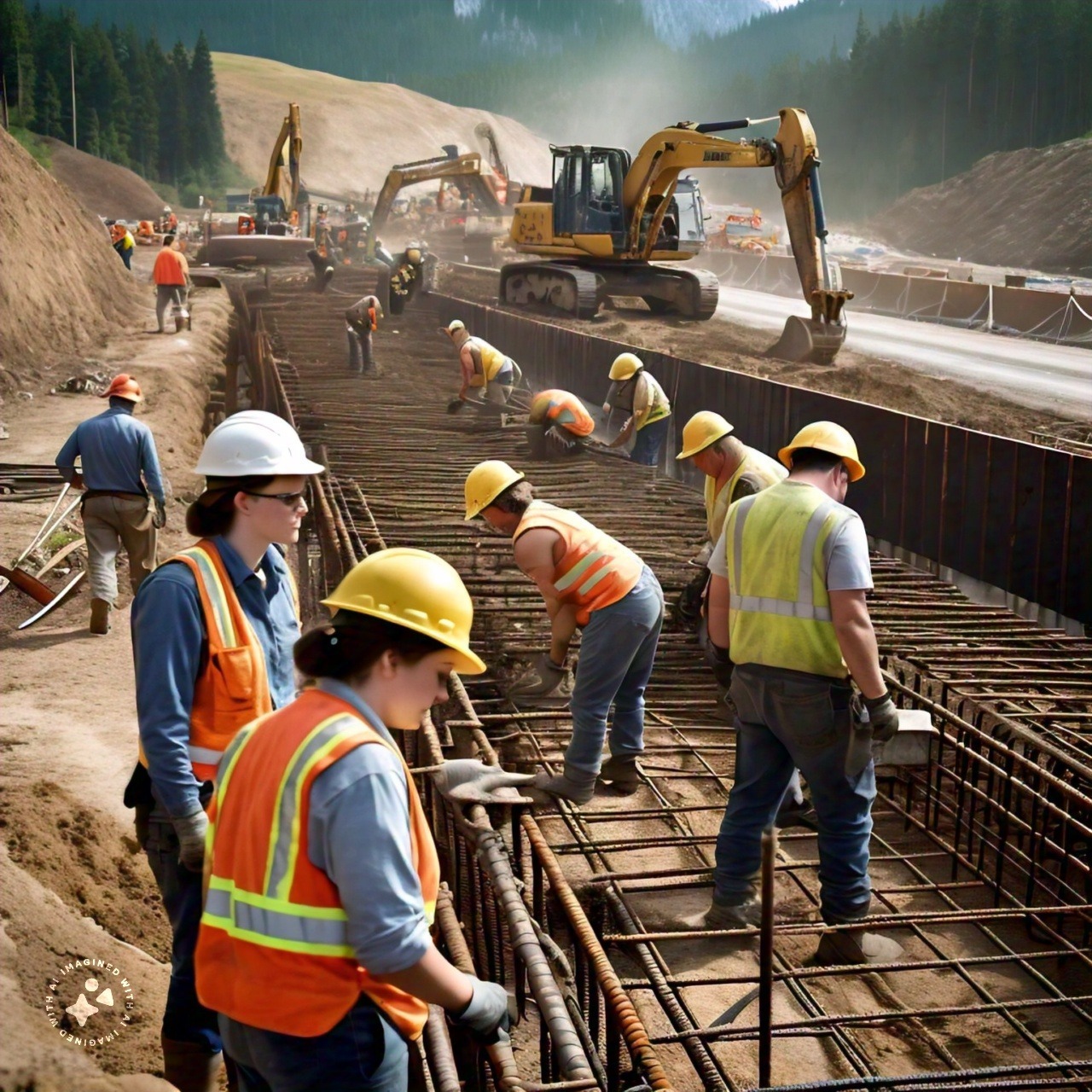
Pakistan, a country with immense potential, is revamping its infrastructure to match its growing economy. Infrastructure development projects play a crucial role in shaping the country’s future, and Pakistan is actively investing in various sectors. These investments demonstrate the country’s commitment to progress, leading to significant improvements in transportation, energy, and water management. Infrastructure development has also boosted economic growth, job creation, and living standards. The government’s focus on infrastructure development shows its dedication to building a strong and resilient economy, and a brighter future for its citizens. This blog will explore ongoing and proposed infrastructure development projects in Pakistan, their economic impact, and benefits.
Infrastructure Development in Energy Sector
Pakistan has been facing energy shortages for years, which have hindered economic growth. To address this issue, the government has launched several energy sector projects, including:
- LNG Terminal: A liquefied natural gas (LNG) terminal has been built in Karachi, which will help meet the increasing energy demands. The terminal has a capacity of 660 MMCFD (million cubic feet per day) and will supply gas to power plants, industrial units, and commercial consumers.
- Neelum-Jhelum Hydropower Plant: A 969 MW hydropower plant has been constructed in Azad Kashmir, which will add a significant amount of electricity to the national grid. The plant is expected to generate 5.15 billion units of electricity per year, which will help reduce the country’s reliance on imported fuel.
- Quaid-e-Azam Solar Park: A 1,000 MW solar power plant has been built in Bahawalpur, which will reduce the country’s reliance on fossil fuels. The plant is expected to generate 2.5 billion units of electricity per year, which will help reduce the energy deficit.

Harnessing renewable energy
Infrastructure Development in Transportation Sector
Pakistan’s transportation sector has seen significant improvements in recent years, with several projects aimed at enhancing connectivity. Some of the notable projects include:
- China-Pakistan Economic Corridor (CPEC): A flagship BRI project, connects Gwadar Port with China’s Xinjiang province through roads, railways, and sea routes. The project will reduce travel times, increase trade, and promote regional integration.
- Lahore-Islamabad Motorway: A 375 km long motorway has been built to reduce travel time between these cities. The motorway has reduced travel time from 6 hours to just 3.5 hours, which has increased economic activity.
- Karachi-Lahore Motorway: A 1,100 km long motorway is under construction, which will connect the port city of Karachi with Lahore. The motorway will reduce travel time from 18 hours to just 6 hours, which will increase trade and economic activity.

Infrastructure Development in Water Sector
Pakistan is facing a severe water crisis, and the government has launched several projects to address this issue. Some of the notable projects include:
- Diamer-Bhasha Dam: A 4,500 MW hydropower dam is under construction in Gilgit-Baltistan, which will help meet the increasing energy demands. The dam will provide irrigation water to the agricultural sector, increasing crop yields and reducing food insecurity. Consequently, this will improve food availability, nutritional security, and population health. Moreover, the reliable water supply will enable farmers to diversify crops, improve livelihoods, and contribute to economic growth. Furthermore, this will have a positive impact on the country’s overall development.
- Mohmand Dam: A 2,200 MW hydropower dam is under construction in Khyber Pakhtunkhwa, which will add a significant amount of electricity to the national grid. The dam will also provide irrigation water to the agricultural sector, thereby increasing crop yields and, subsequently, reducing food insecurity. The increase in crop yields will lead to improved food availability and better health outcomes. Moreover, the reliable water supply will enable farmers to diversify crops, improve livelihoods, and boost economic growth.
- K-IV Water Project: A water supply project aimed at providing clean drinking water to the residents of Karachi. The project will provide 650 million gallons of water per day, which will meet the increasing water demands of the city.

Impact on Economy
Infrastructure development projects have a direct impact on the economy of a country. The ongoing and proposed projects in Pakistan are expected to:
- Boost Economic Growth: Infrastructure development projects will create jobs, increase economic activity, and attract foreign investment, leading to an increase in GDP.
- Improve Connectivity: Enhanced connectivity through road and rail networks will reduce travel times, increase trade, and promote regional integration.
- Increase Energy Supply: Energy sector projects will help meet the increasing energy demands, reducing the reliance on imported fuel and increasing the use of renewable energy sources.
Benefits
Infrastructure development projects in Pakistan will bring numerous benefits to the country, including:
- Job Creation: These projects will create thousands of jobs during construction and operation, employing people in various roles and stimulating local economies.
- Increased Economic Activity: Infrastructure development projects will increase economic activity, leading to an increase in GDP.
- Improved Quality of Life: Enhanced connectivity, clean drinking water, and increased energy supply will improve the quality of life for the citizens of Pakistan.
- Reduced Poverty: Infrastructure development projects will create jobs and increase economic activity, which will reduce poverty and increase the standard of living
Reduced Poverty: Infrastructure development projects will create jobs and increase economic activity, which will reduce poverty and increase the standard of living.
Increased Trade: Enhanced connectivity through road and rail networks will increase trade between cities and regions, promoting economic growth and development.
Improved Healthcare: Clean drinking water and sanitation facilities will reduce the incidence of waterborne diseases, improving healthcare outcomes and reducing mortality rates.
Increased Education: Improved connectivity and transportation networks will increase access to education, enabling more children to attend school and reducing dropout rates.
Environmental Benefits: Renewable energy sources like solar and wind power will reduce Pakistan’s reliance on fossil fuels, decreasing emissions and mitigating climate change. This shift will contribute to a cleaner environment, improved public health, and a stronger economy. This transition will create new job opportunities and stimulate growth, driving Pakistan towards a prosperous future. It will enhance energy security and reduce costs. Additionally, it will promote sustainable development, crucial for Pakistan’s future. Thus, immediate action is imperative to harness renewable energy’s potential.
Conclusion
Infrastructure development is vital for economic growth and prosperity. Pakistan’s investments will boost economic growth, create jobs, and improve living standards. These projects will enhance connectivity, facilitate trade, and promote regional integration, demonstrating the government’s commitment to long-term development and stability. Energy, transportation, and water projects will address pressing needs, create jobs, and improve citizens’ quality of life, building a stronger economy.
Recommendations
- The government should prioritize infrastructure development projects and allocate sufficient funds to ensure their timely completion.
- The government should proactively seek out private sector investment opportunities to supplement funding, expedite project timelines, and drive completion.
- The government should ensure transparency and accountability in allocating funds and awarding contracts to prevent corruption and ensure efficient project completion.
- The government should develop a comprehensive infrastructure plan that aligns with the country’s economic growth strategy and prioritizes high-impact projects.
Future Outlook
Pakistan’s infrastructure development projects have the potential to transform the country’s economy and improve the quality of life for its citizens. With a growing population and increasing energy demands, prioritizing infrastructure development is crucial for sustainable economic growth. Ongoing and proposed projects are a step in the right direction, and with continued investment, Pakistan can become a hub for economic growth and development in the region.