Introduction
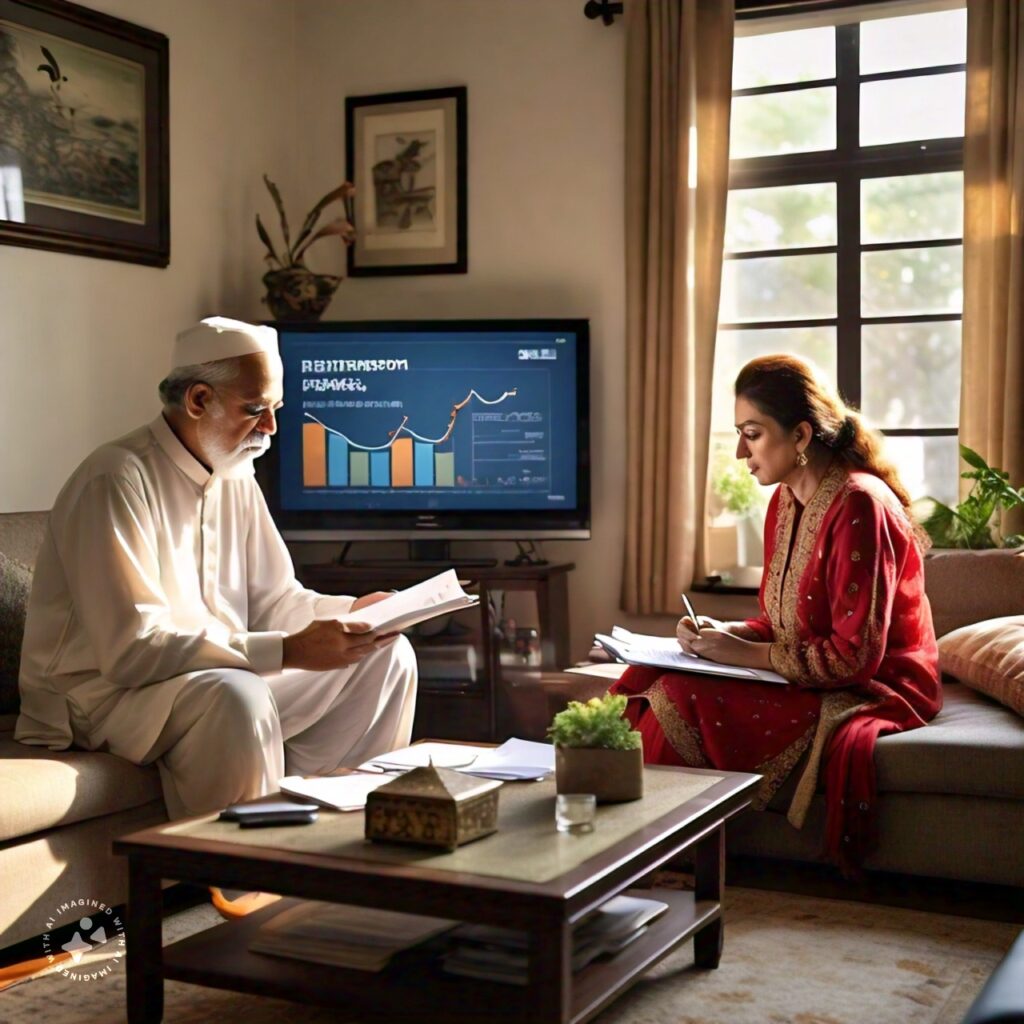
Retirement is a significant milestone in one’s life, marking the transition from an active working life to a more relaxed and peaceful phase. However, planning for retirement in Pakistan can be a daunting task, especially considering the country’s evolving economic landscape and limited social security net. In this blog, we will provide a comprehensive guide on planning for retirement in Pakistan, covering essential aspects such as savings, investments, healthcare, and more.
Why Plan for Retirement in Pakistan?
Pakistan has a rapidly growing population, with an increasing number of citizens reaching retirement age. According to the Pakistan Bureau of Statistics, the population of people aged 65 and above is expected to increase from 4.5% in 2020 to 7.1% by 2030. However, the country’s pension system is still in its infancy, and many individuals rely on their personal savings and family support during retirement.

Planning for retirement in Pakistan is crucial to ensure a comfortable and secure post-work life. By starting early and making informed decisions, individuals can build a sustainable income stream, maintain their standard of living, and enjoy their golden years with peace of mind.
Retirement Planning Strategies in Pakistan
1. Start Early
The power of compounding is a powerful force in retirement planning. Starting early allows individuals to take advantage of compound interest, which can significantly grow their savings over time. Even small, consistent investments can add up to a substantial amount by the time retirement arrives.
2. Diversify Your Investments
Diversification is key to minimizing risk and maximizing returns. Pakistan offers a range of investment options, including:
- National Savings Schemes (NSS)
- Stocks
- Real Estate
- Bonds
- Mutual Funds
- Islamic Banking Products
It’s essential to assess personal risk tolerance and financial goals before investing in any asset class.

3. Take Advantage of Tax Benefits
Pakistan offers tax benefits on certain investments, such as:
- National Savings Schemes (NSS)
- Pension Funds
- Life Insurance Policies
Individuals should explore these options to optimize their retirement savings.

4. Consider Retirement Accounts
Pakistan has introduced retirement accounts, such as the Employees’ Old-Age Benefits Institution (EOBI) and the Pakistan Pension Fund. These accounts provide a steady income stream during retirement and are exempt from tax.

5. Plan for Healthcare
Healthcare is a significant expense during retirement. Individuals should consider investing in health insurance or setting aside a dedicated fund for medical expenses.

6. Review and Adjust
Retirement planning is an ongoing process. Individuals should regularly review their investments, adjust their strategy as needed, and rebalance their portfolio to ensure it remains aligned with their goals.
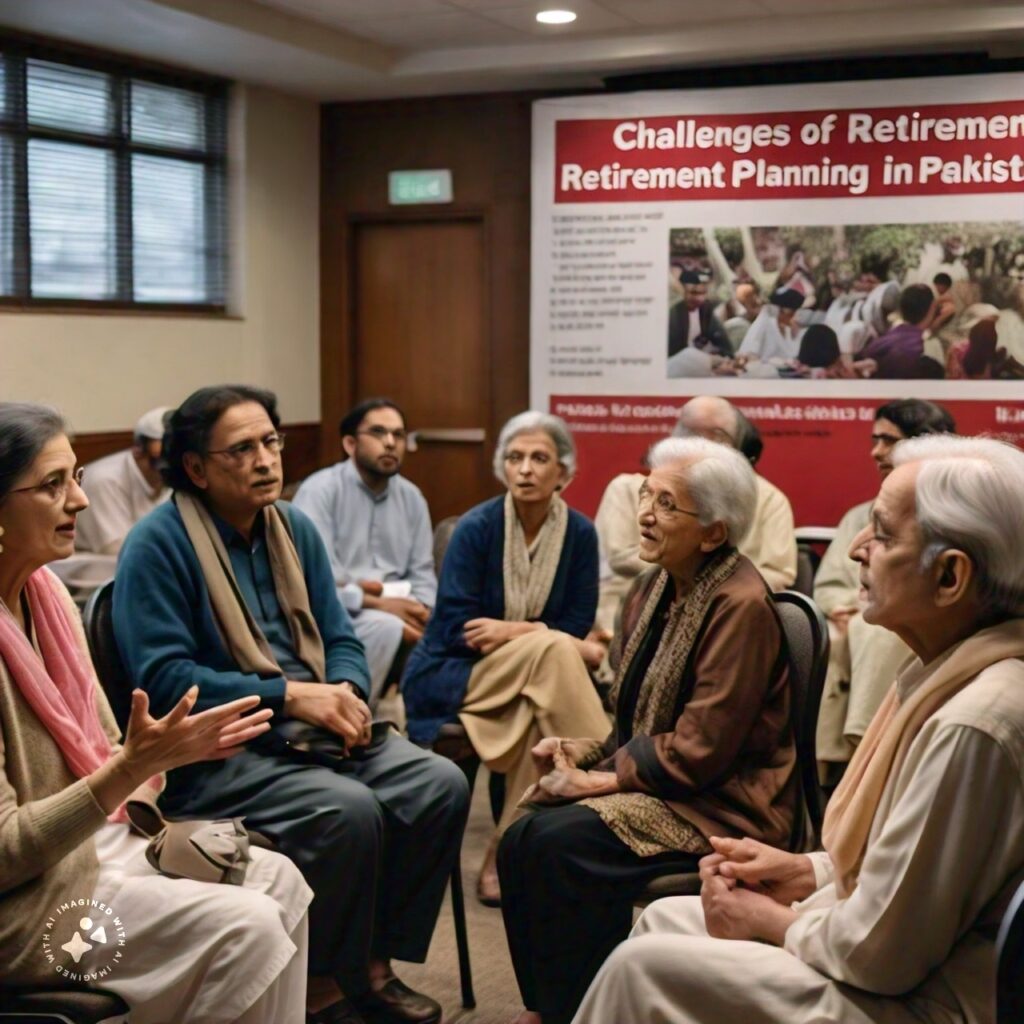
Challenges of Retirement Planning in Pakistan
1. Inflation
Pakistan’s high inflation rate can erode the purchasing power of savings, making it challenging to maintain a comfortable standard of living during retirement.

2. Limited Social Security
Pakistan’s social security net is limited, and many individuals rely on personal savings and family support during retirement.

3. Low Financial Literacy
Financial literacy is essential for effective retirement planning. However, many Pakistanis lack understanding of investment options and retirement planning strategies.

4. Limited Access to Financial Services
Many Pakistanis, especially in rural areas, have limited access to financial services, making it difficult to invest and save for retirement.
Conclusion
Planning for retirement in Pakistan requires careful consideration of various factors, including savings, investments, healthcare, and tax benefits. By starting early, diversifying investments, and taking advantage of available resources, individuals can build a secure and comfortable post-work life. While challenges exist, understanding these obstacles and developing effective strategies can help overcome them. Remember, retirement planning is an ongoing process, and regular review and adjustments are crucial to achieving a peaceful and fulfilling retirement.