
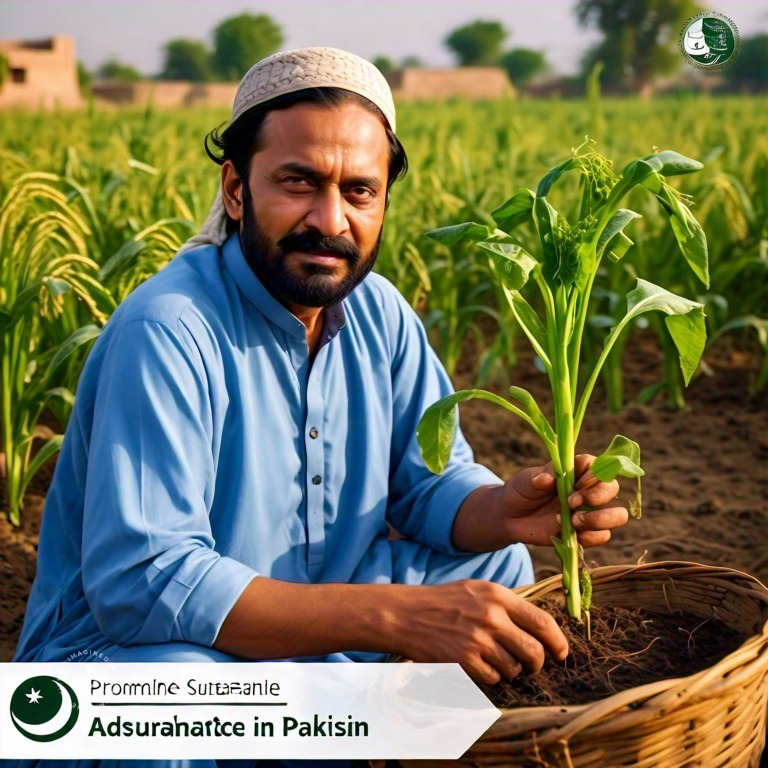
Pakistan, an agricultural powerhouse, faces numerous challenges in maintaining a sustainable food supply. With a growing population and depleting natural resources, the need for sustainable agriculture practices has become more pressing than ever. In this blog, we’ll explore the importance of promoting sustainable agriculture in Pakistan and discuss practical strategies for a food-secure future.
The State of Agriculture in Pakistan
Agriculture is the backbone of Pakistan’s economy, employing over 40% of the workforce and contributing significantly to the country’s GDP. However, the sector faces numerous challenges, including:
- Water scarcity: Pakistan is one of the most water-stressed countries in the world, with a dwindling water table and inadequate irrigation systems.
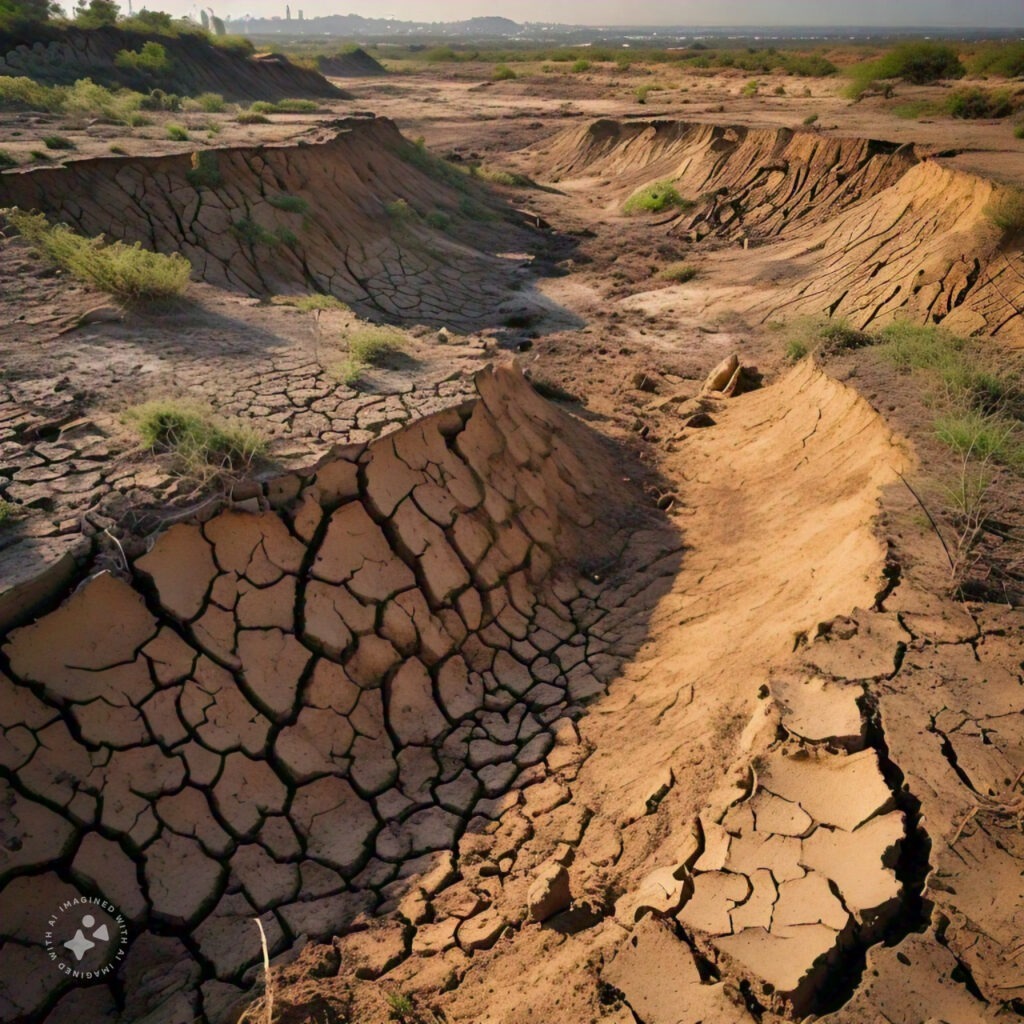
- Soil degradation: Intensive farming practices have led to soil erosion, nutrient depletion, and reduced fertility.
- Climate change: Rising temperatures, changing precipitation patterns, and increased frequency of extreme weather events threaten crop yields and food security.
- Dependence on few crops: Pakistan’s agriculture sector relies heavily on a few crops, such as wheat, cotton, and rice, making it vulnerable to market fluctuations and climate-related shocks.
Benefits of Sustainable Agriculture
Sustainable agriculture offers a promising solution to these challenges. By adopting environmentally friendly practices, Pakistani farmers can:
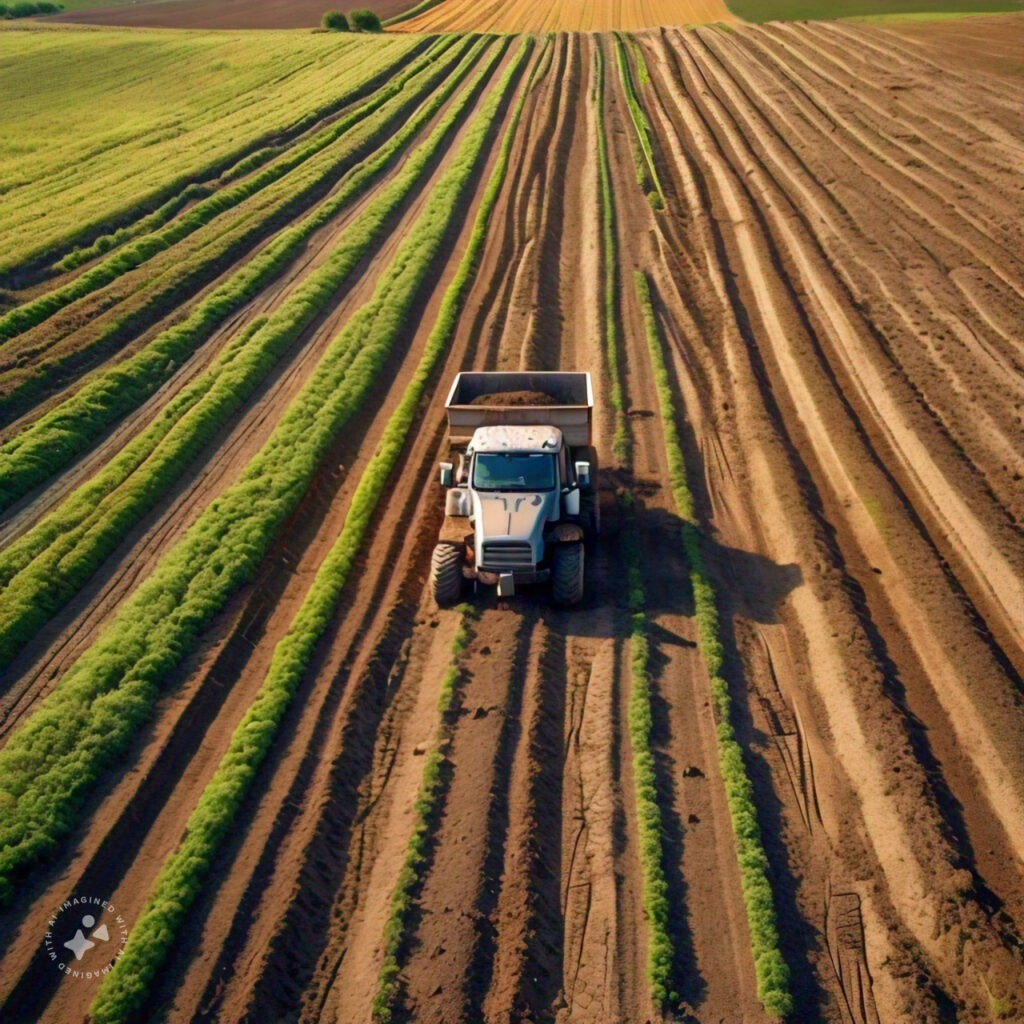
- Improve crop yields: Sustainable methods like crop rotation, organic farming, and precision agriculture can increase yields while reducing environmental impact.
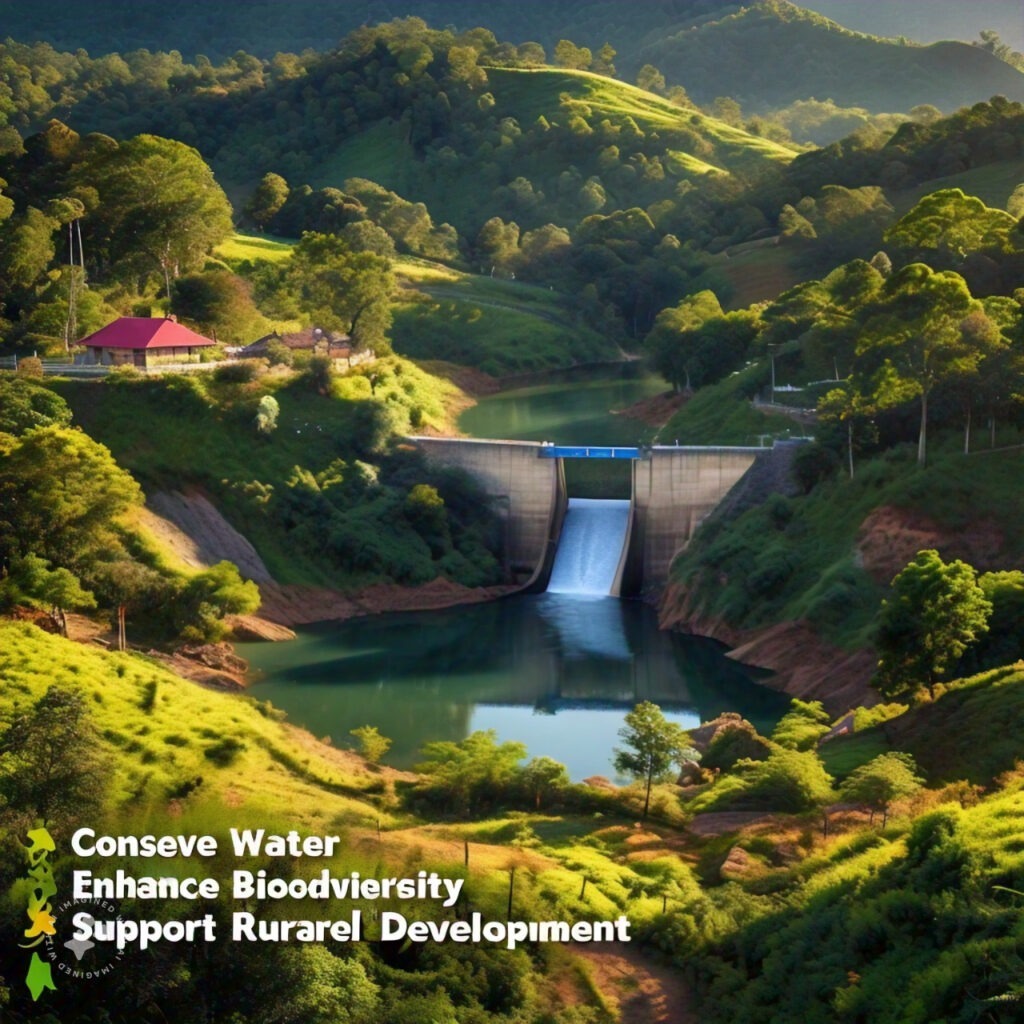
- Conserve water: Efficient irrigation systems and drought-tolerant crops can help minimize water waste and reduce the pressure on Pakistan’s water resources.
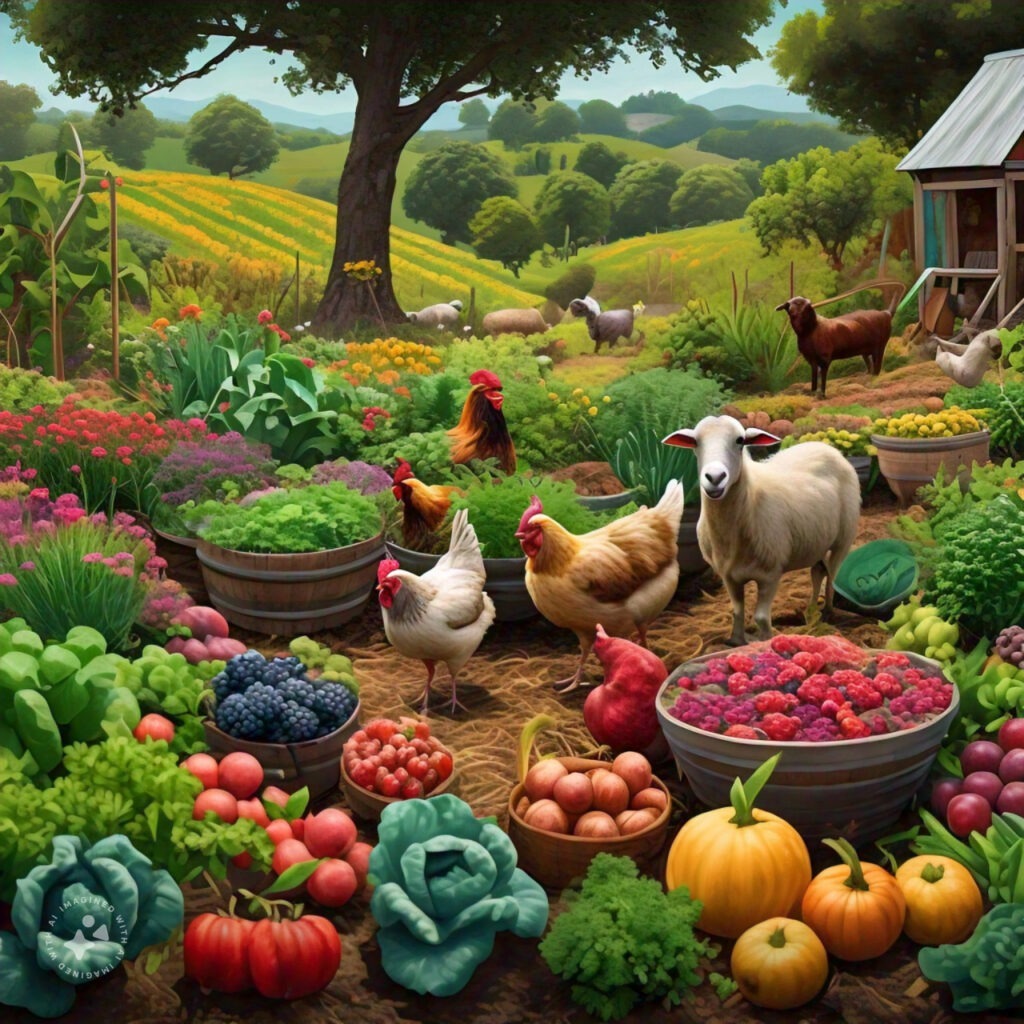
- Enhance biodiversity: Planting a diverse range of crops and promoting agroforestry can help maintain ecosystem services and reduce the reliance on a few crops.
- Support rural development: Sustainable agriculture can create jobs, stimulate local economies, and improve the livelihoods of rural communities.
Strategies for Promoting Sustainable Agriculture in Pakistan
1. Policy Support and Regulatory Framework
- Develop and implement policies that promote sustainable agriculture practices, such as organic farming and agroforestry.
- Provide incentives for farmers to adopt environmentally friendly methods, such as tax breaks, subsidies, and credit facilities.
2. Farmer Education and Training
- Organize workshops, training sessions, and demonstrations to educate farmers about sustainable agriculture practices.
- Establish extension services and advisory programs to provide farmers with technical support and guidance.
3. Research and Development
- Conduct research on sustainable agriculture practices, such as precision agriculture, vertical farming, and climate-resilient crops.
- Develop and promote innovative technologies, such as drones, sensors, and mobile apps, to support sustainable agriculture.
4. Market Development and Value Chain Improvement
- Establish market linkages and value chains to connect farmers with consumers and processors.
- Promote the development of organic and specialty crop markets to increase farmers’ incomes.

5. Water Management and Conservation
- Implement efficient irrigation systems, such as drip irrigation and sprinkler systems.
- Promote water-saving technologies, such as solar-powered pumps and rainwater harvesting systems.

6. Soil Conservation and Fertility Management
- Promote conservation tillage, cover cropping, and crop rotation to reduce soil erosion and improve soil health.
- Encourage the use of organic fertilizers and integrated nutrient management systems.
7. Climate Change Mitigation and Adaptation
- Promote climate-resilient crops and farming practices, such as agroforestry and conservation agriculture.
- Support climate-smart agriculture initiatives, such as weather insurance and climate information services.

Conclusion
Promoting sustainable agriculture in Pakistan is crucial for ensuring a food-secure future. By adopting environmentally friendly practices, Pakistani farmers can improve crop yields, conserve water, enhance biodiversity, and support rural development. To achieve this, we need a multi-faceted approach that involves policy support, farmer education, research and development, market development, water management, soil conservation, and climate change mitigation and adaptation. Together, we can build a sustainable agriculture sector that benefits both the people and the planet.

4 comments
Ny weekly
August 23, 2024 at 6:46 pm
Ny weekly Awesome! Its genuinely remarkable post, I have got much clear idea regarding from this post . Ny weekly
Ny weekly
August 23, 2024 at 7:55 pm
Ny weekly I very delighted to find this internet site on bing, just what I was searching for as well saved to fav
Techno rozen
August 26, 2024 at 3:47 pm
Techno rozen I just like the helpful information you provide in your articles
Internet Chicks
August 29, 2024 at 2:02 am
Internet Chicks I do not even understand how I ended up here, but I assumed this publish used to be great